


How to Build a Mosque (2026 -)
↓
How to Build a Mosque (2026 -)
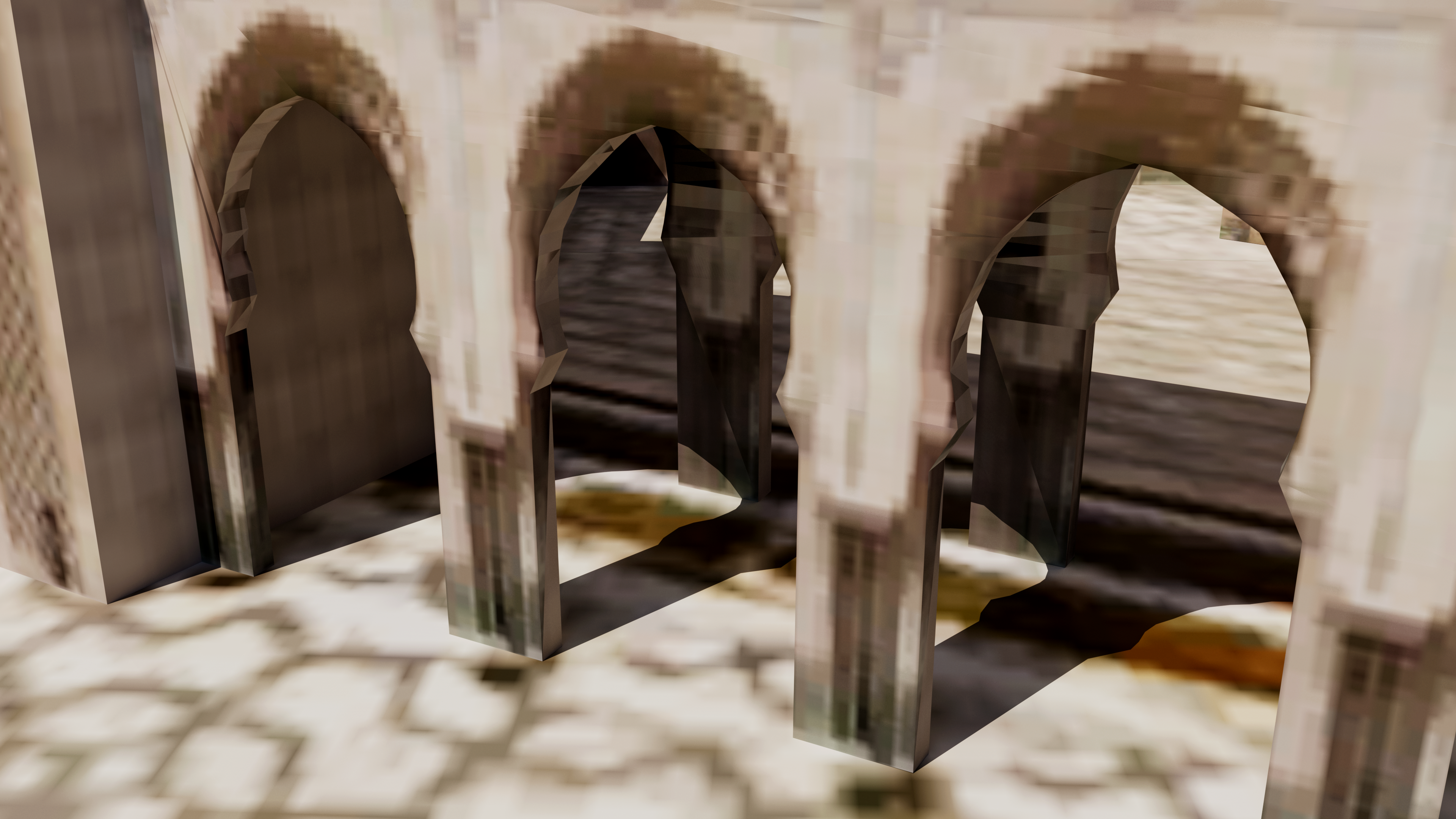
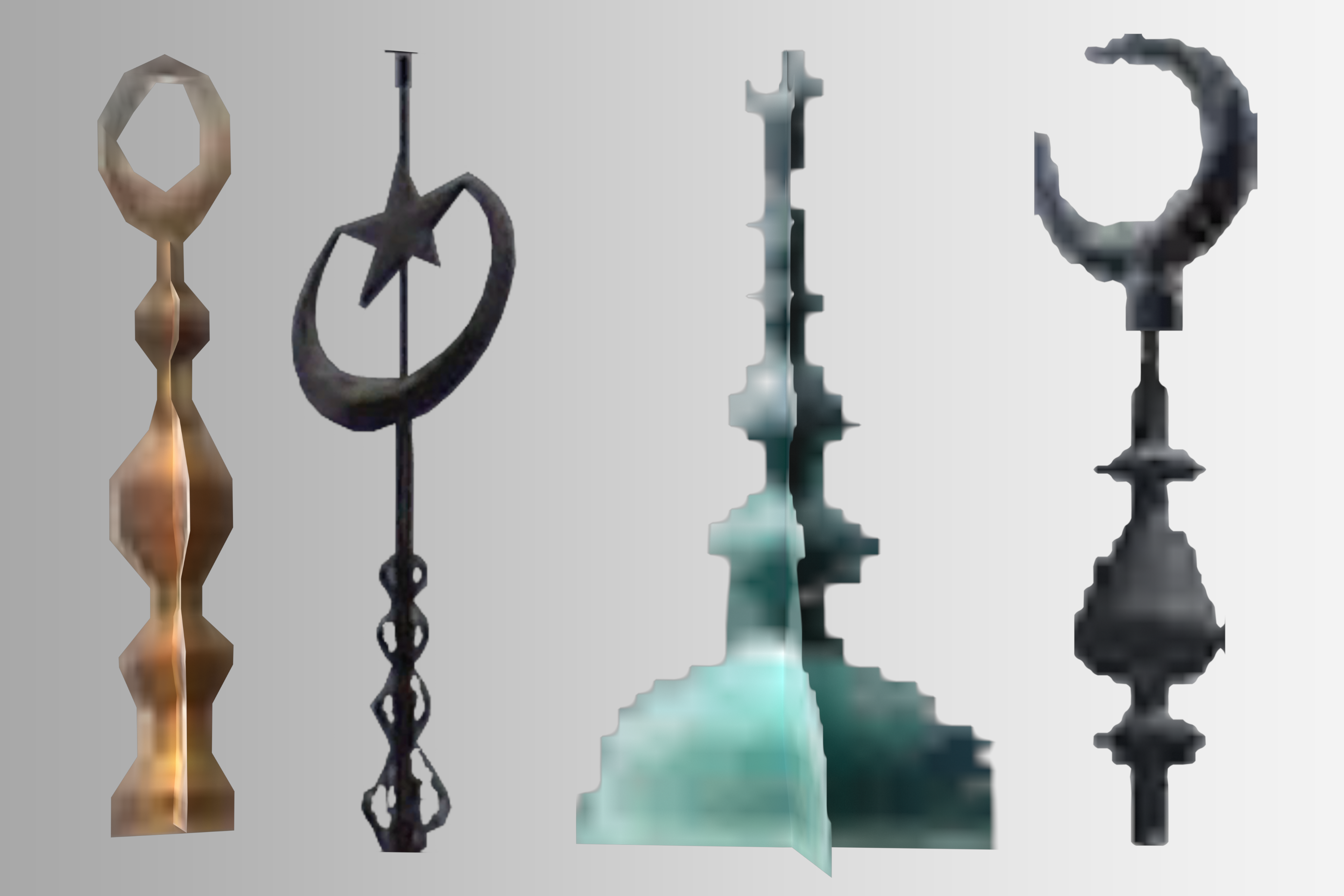
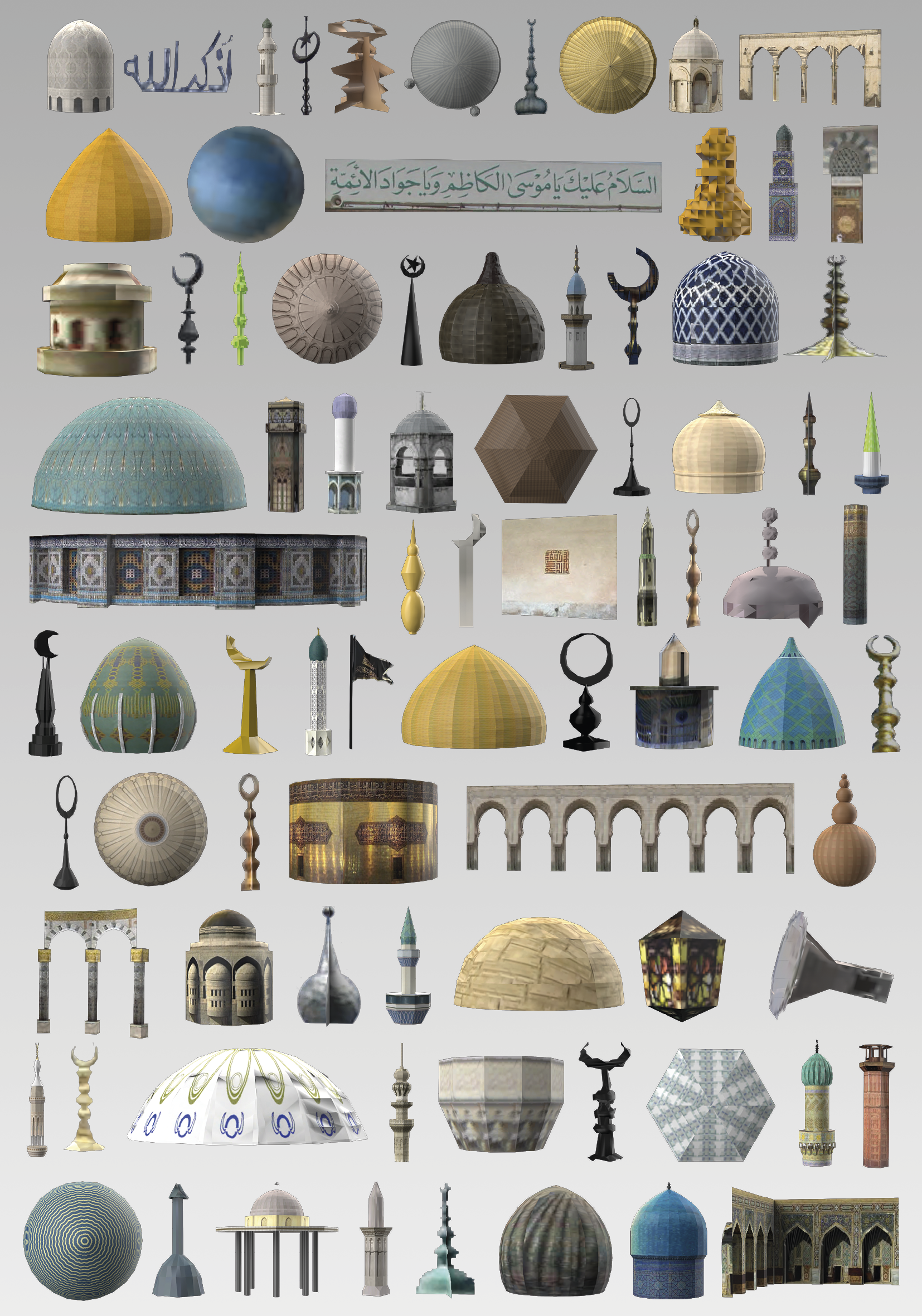
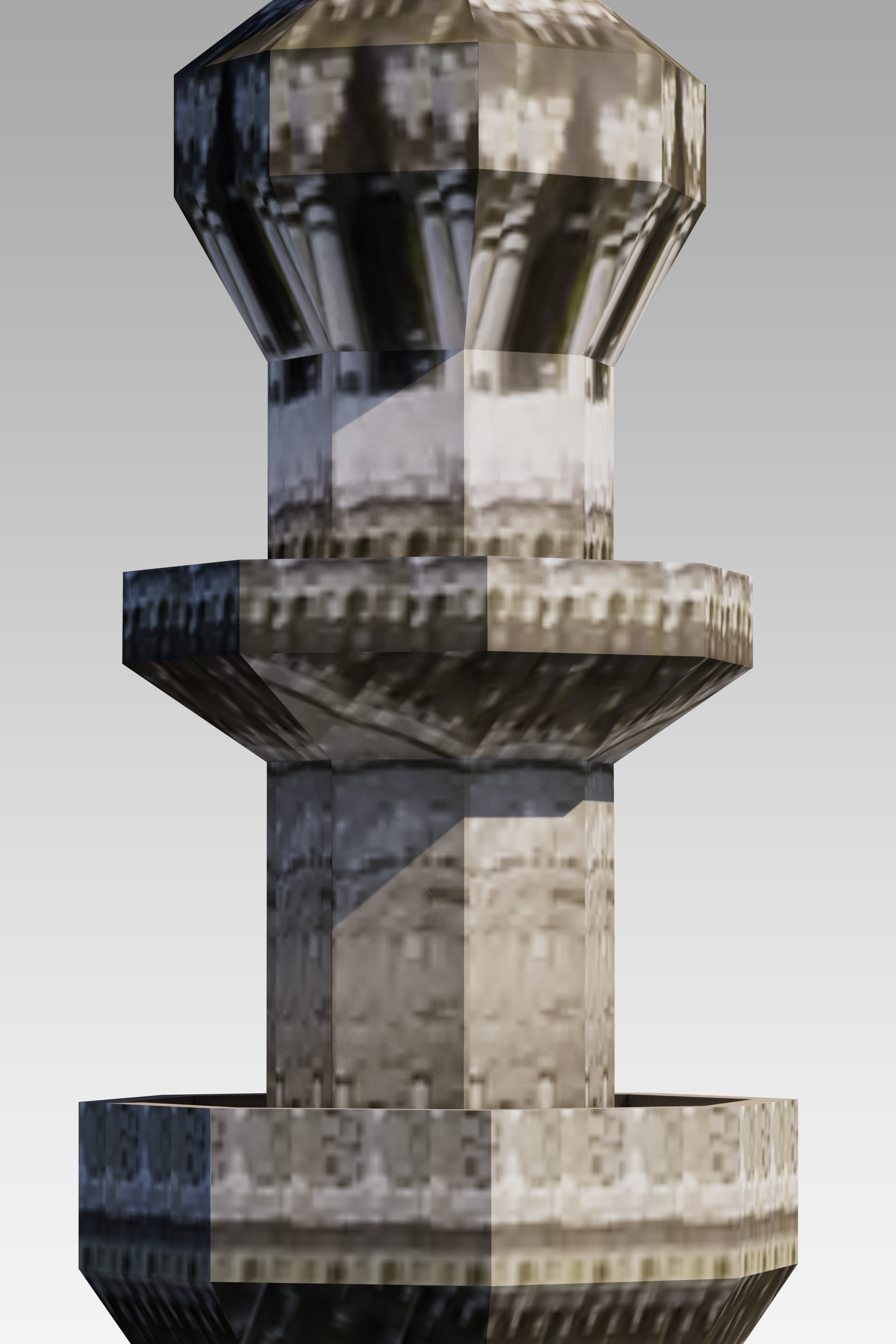
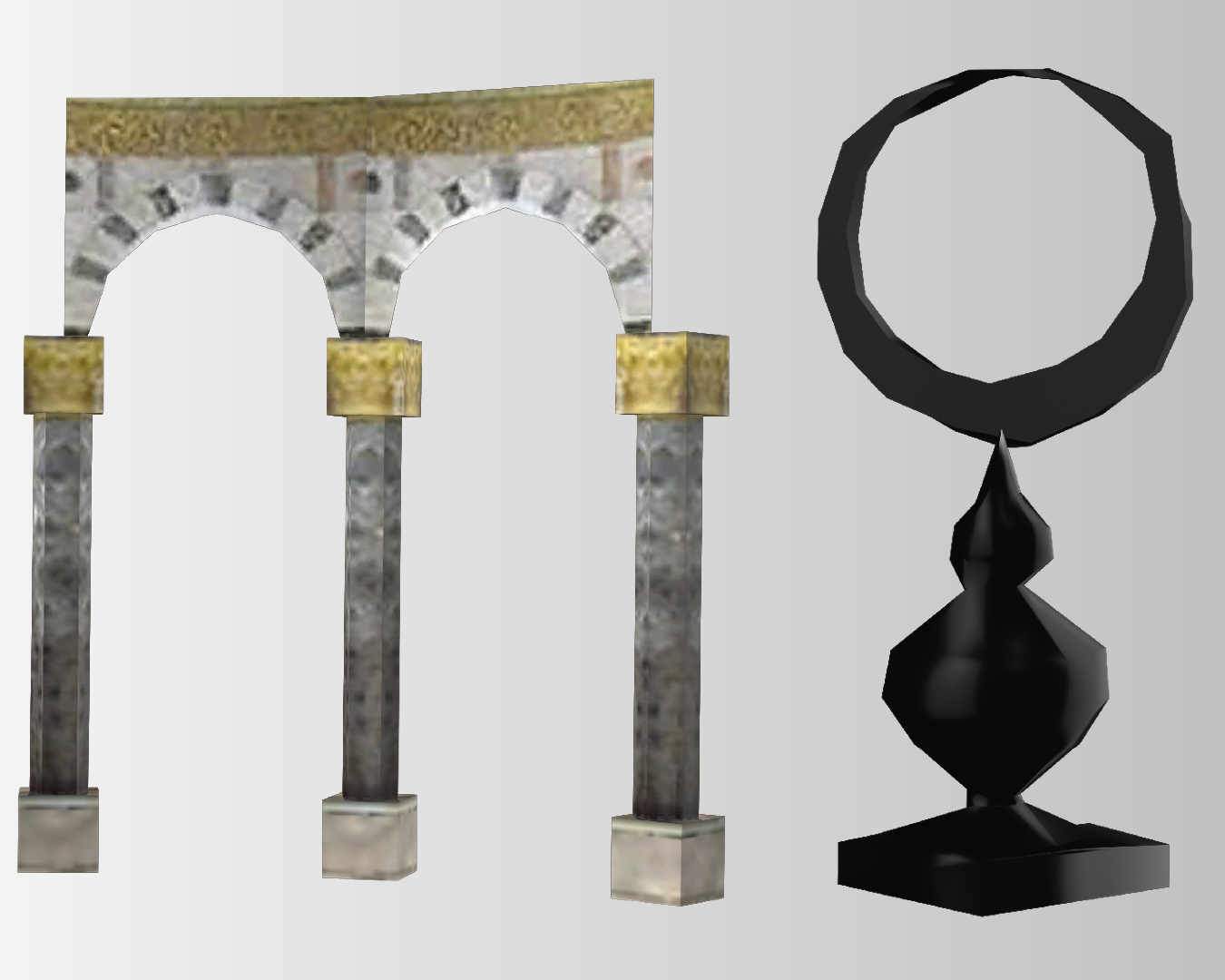
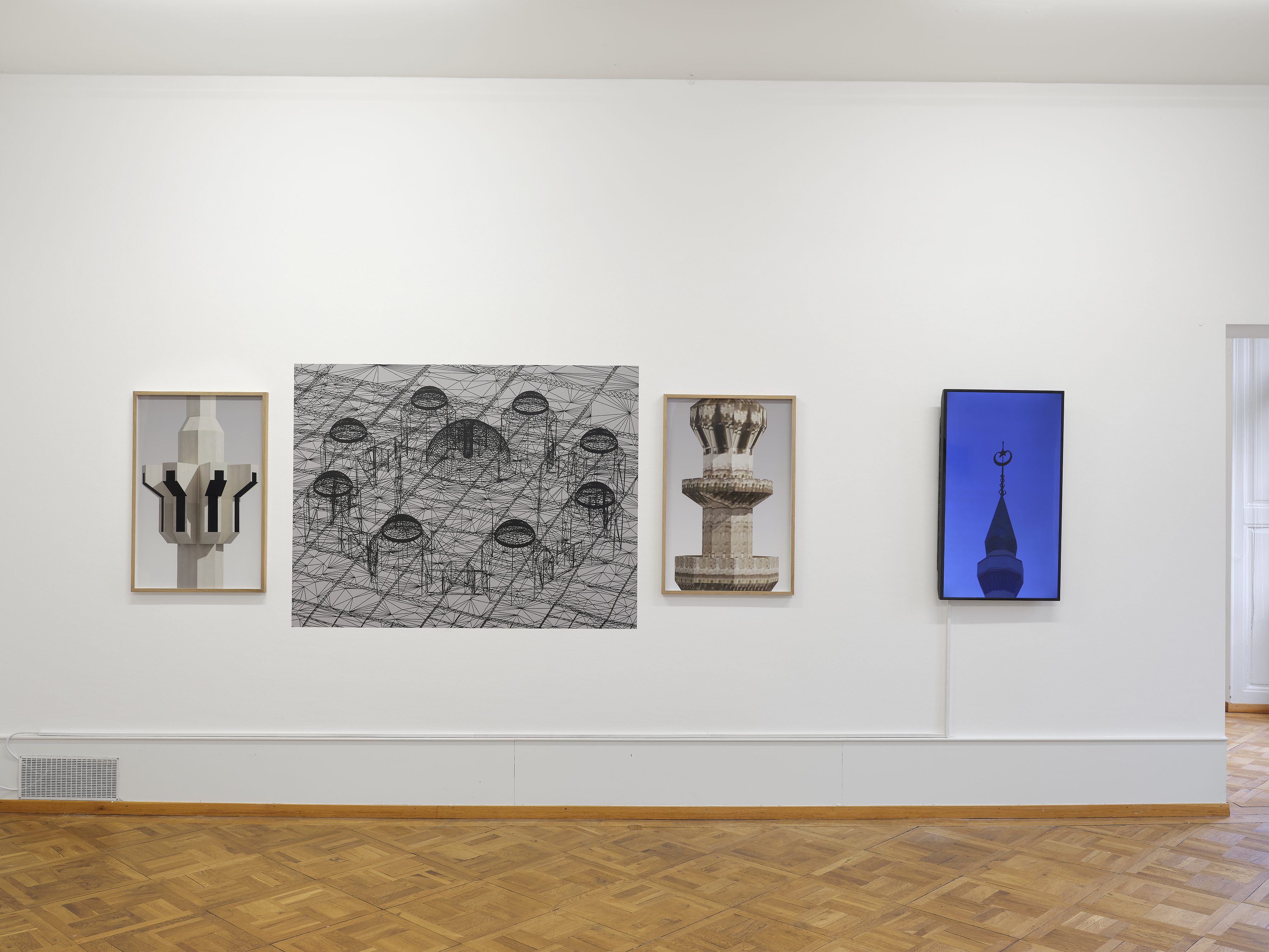
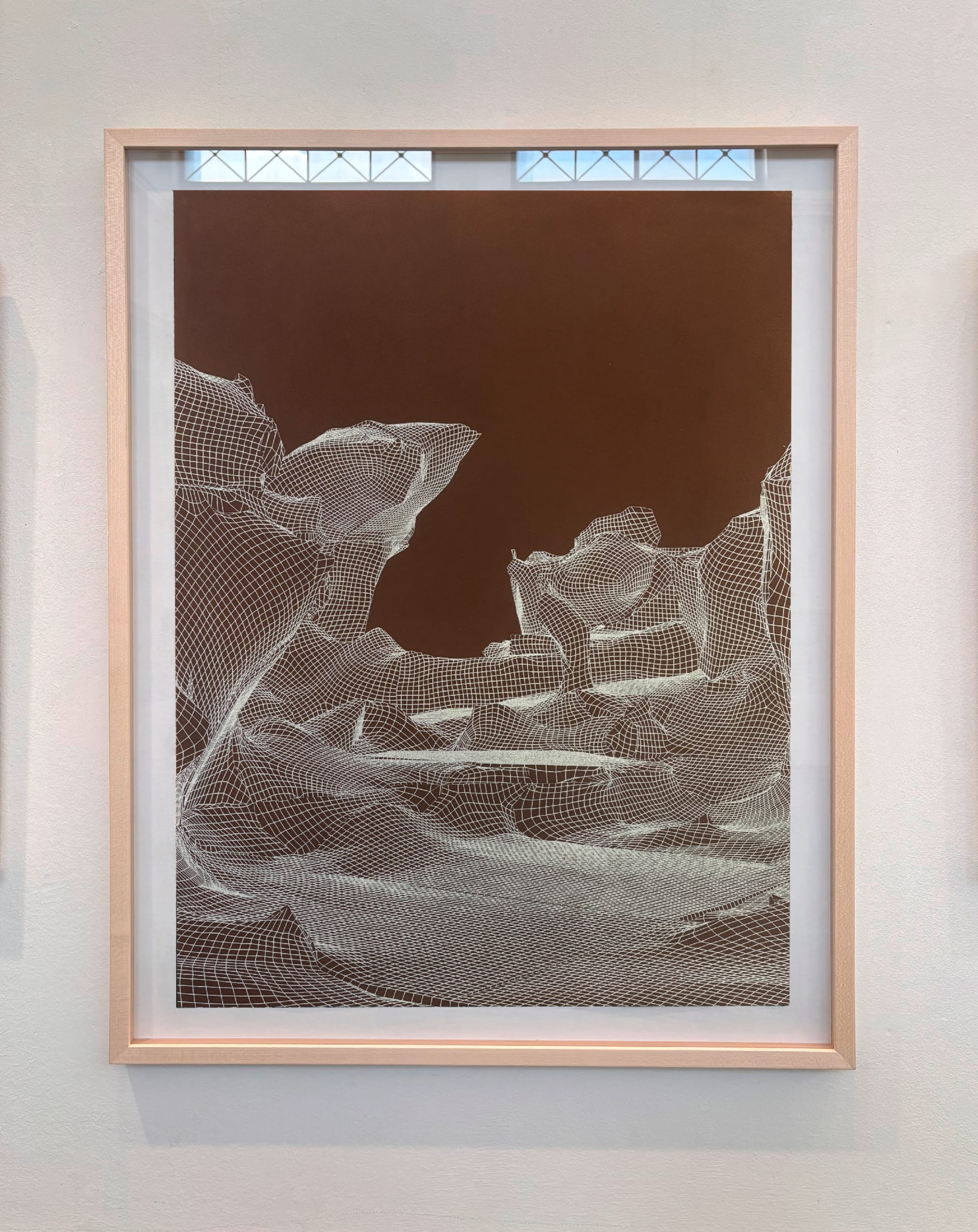
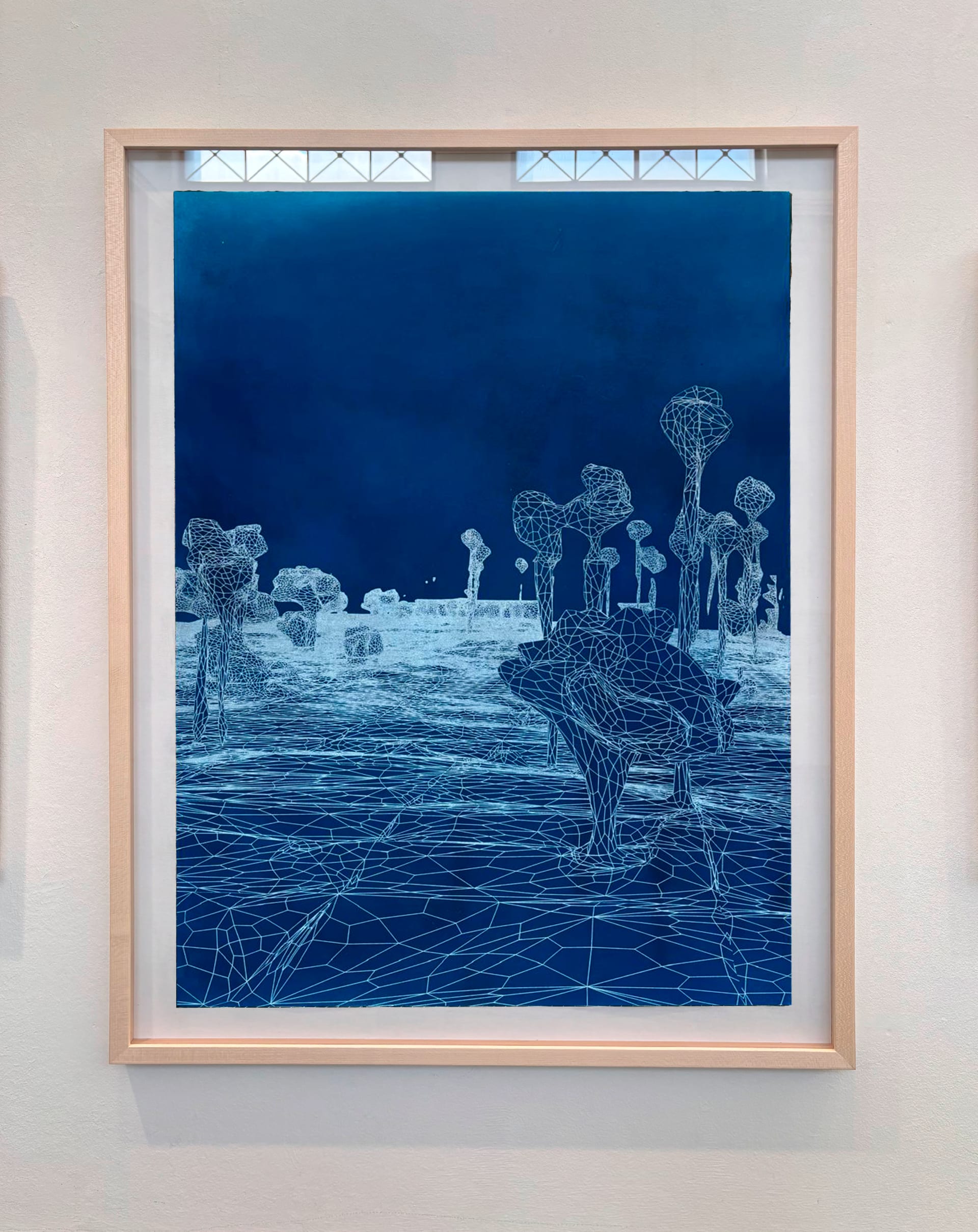
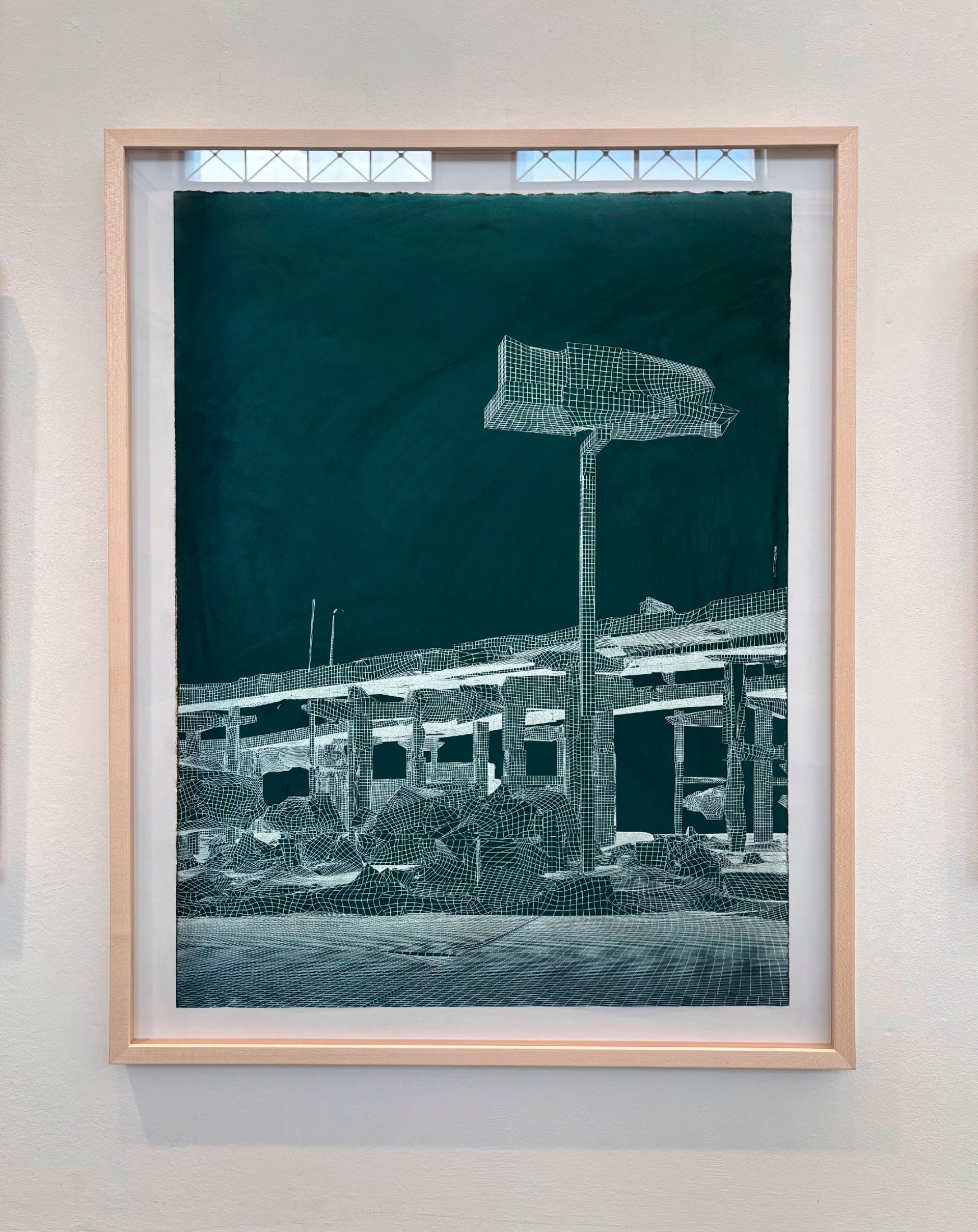
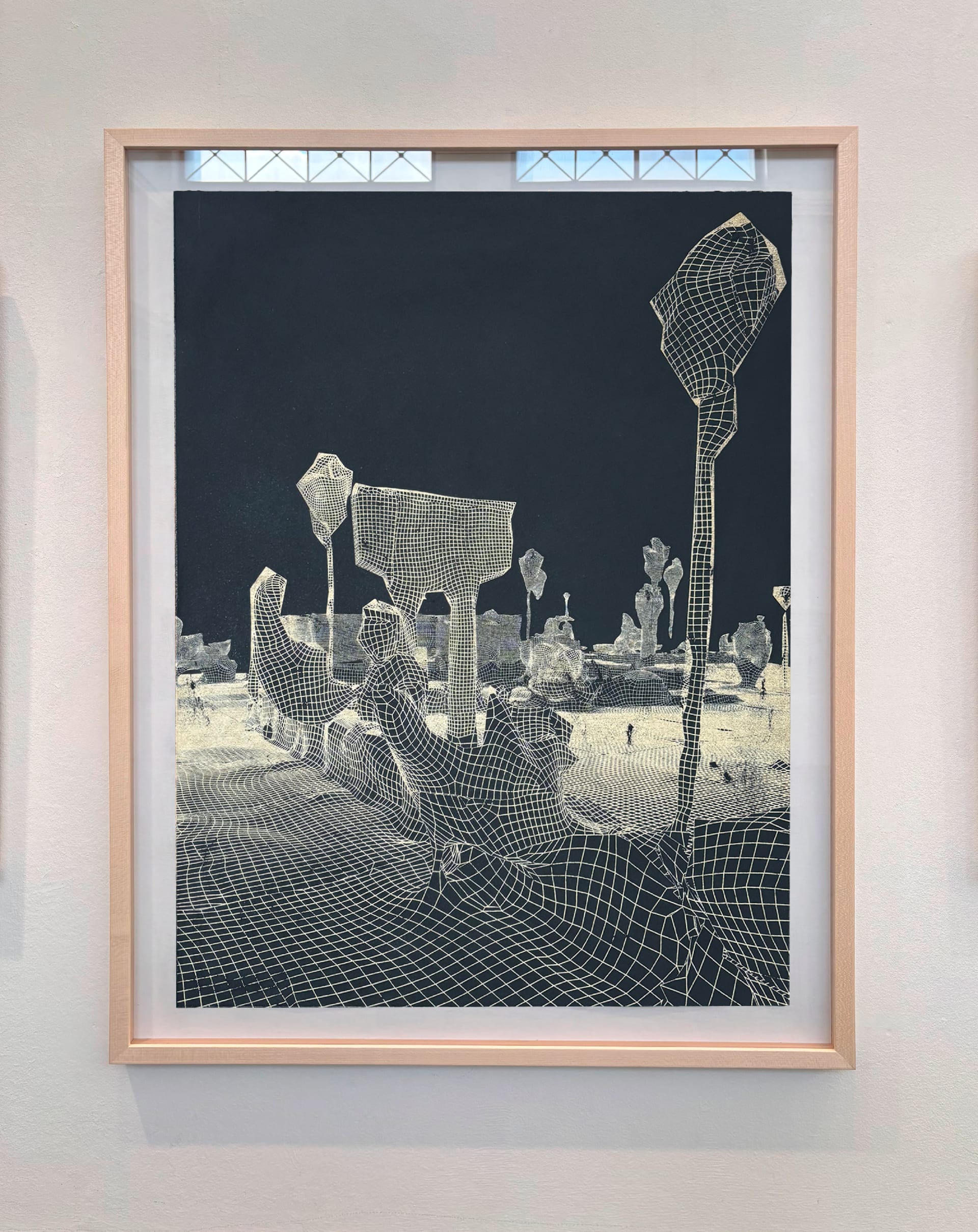
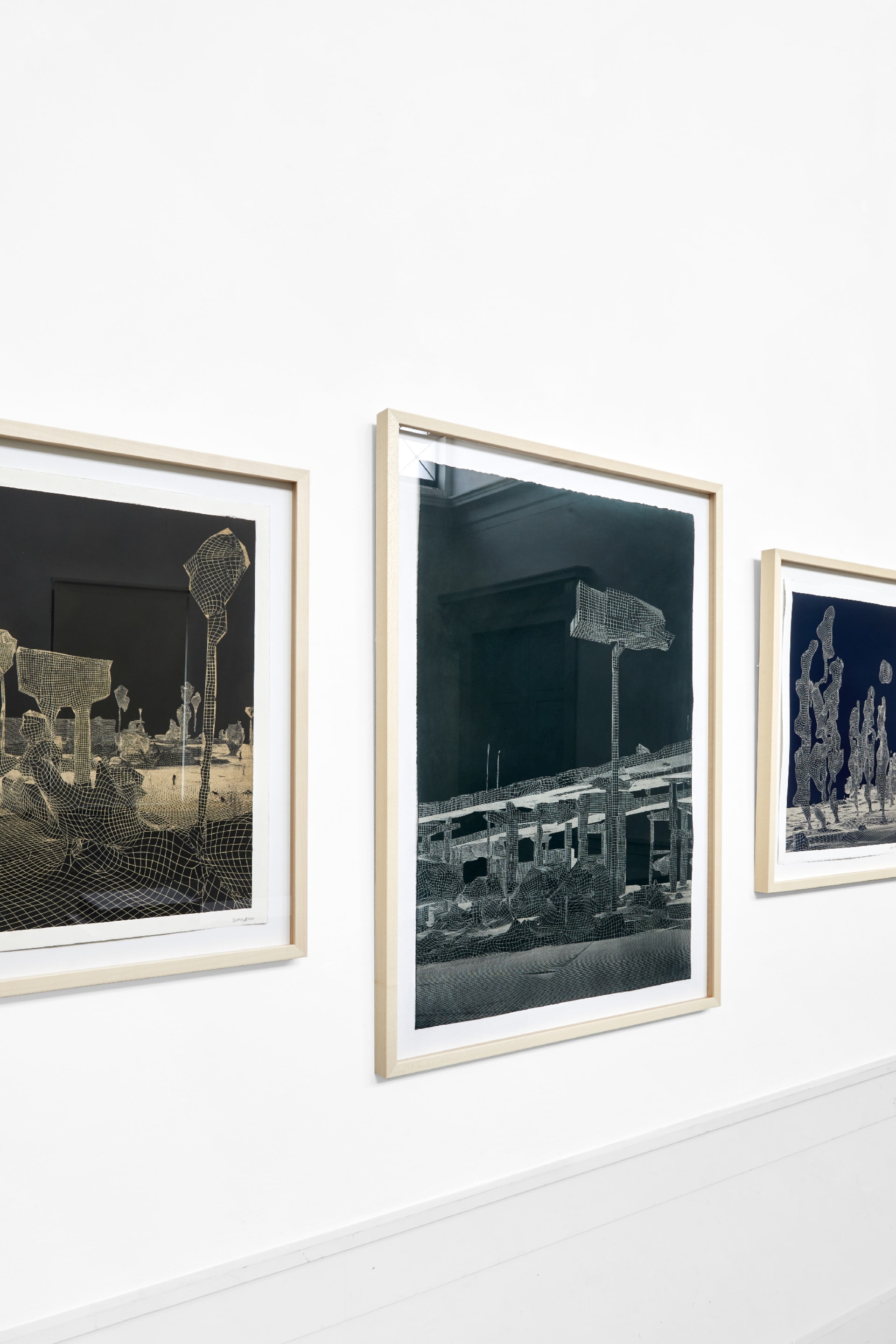
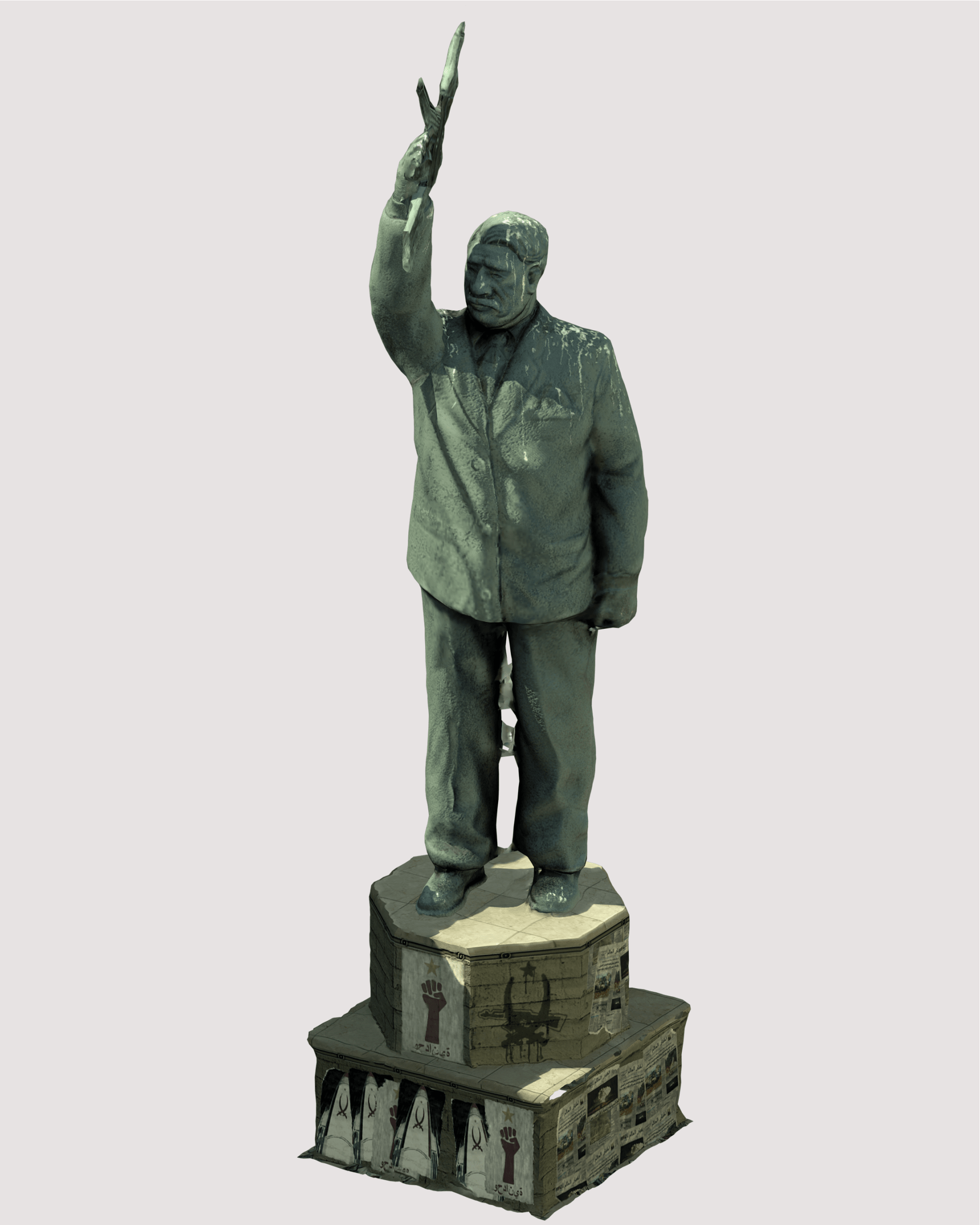

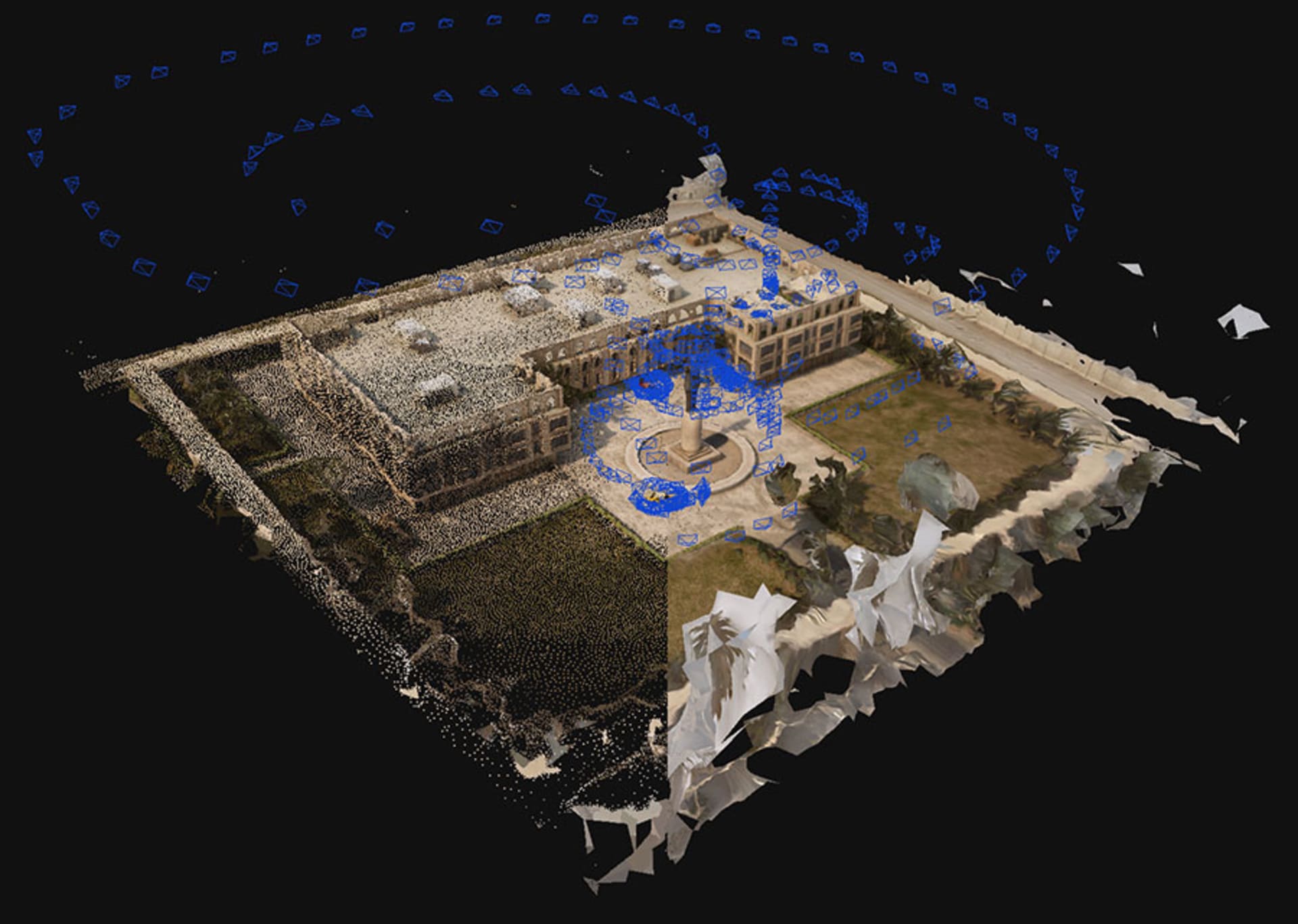
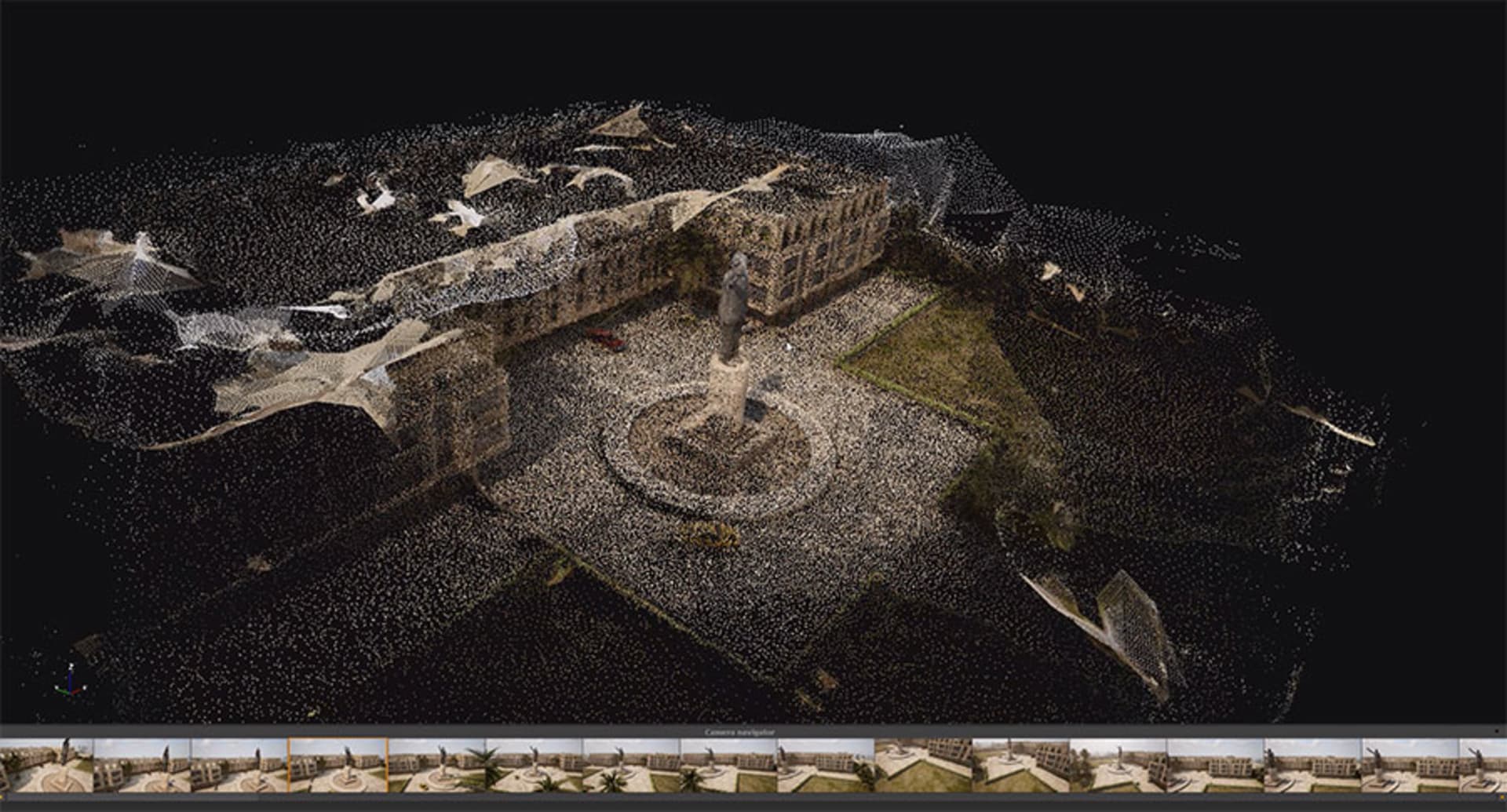
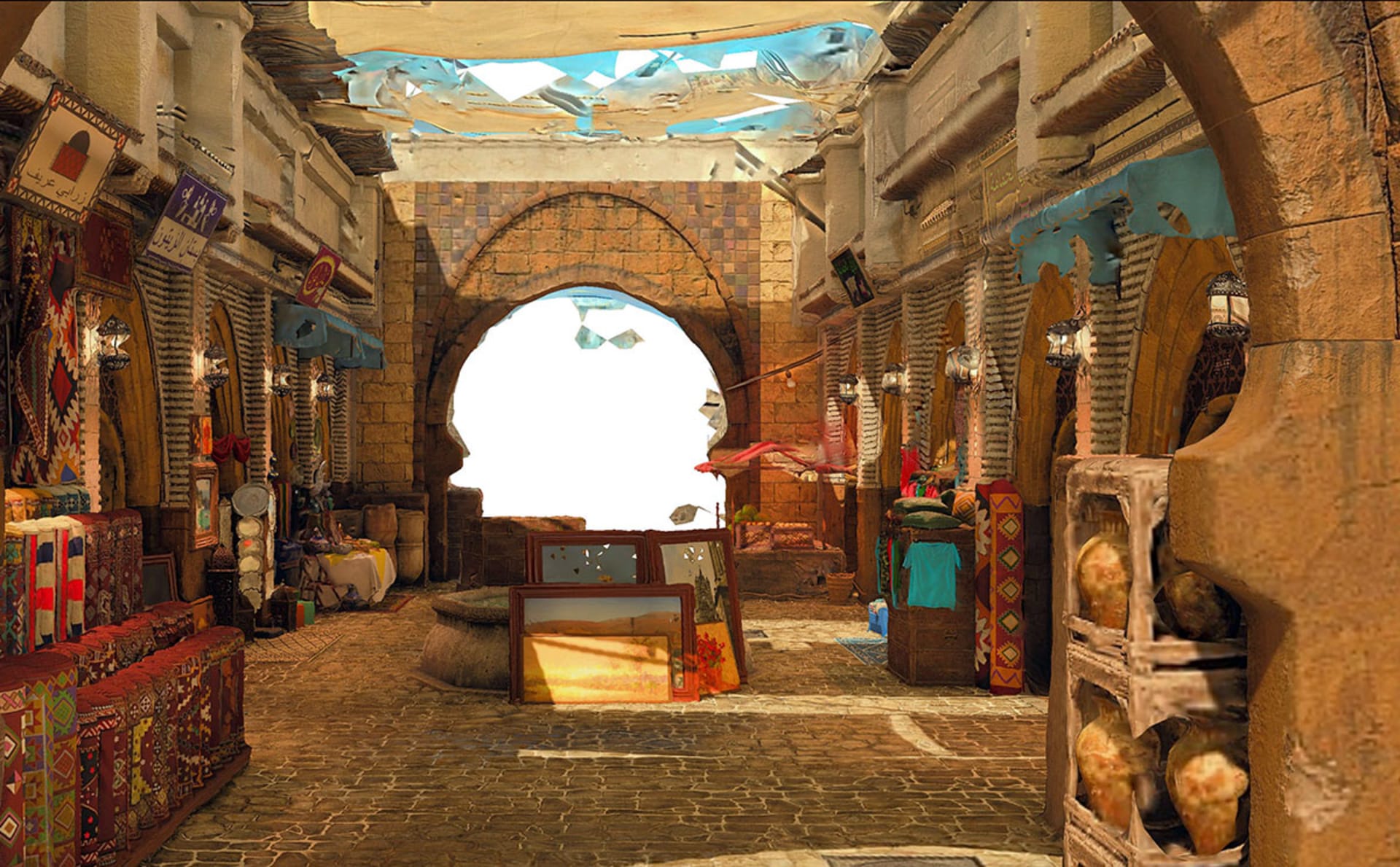


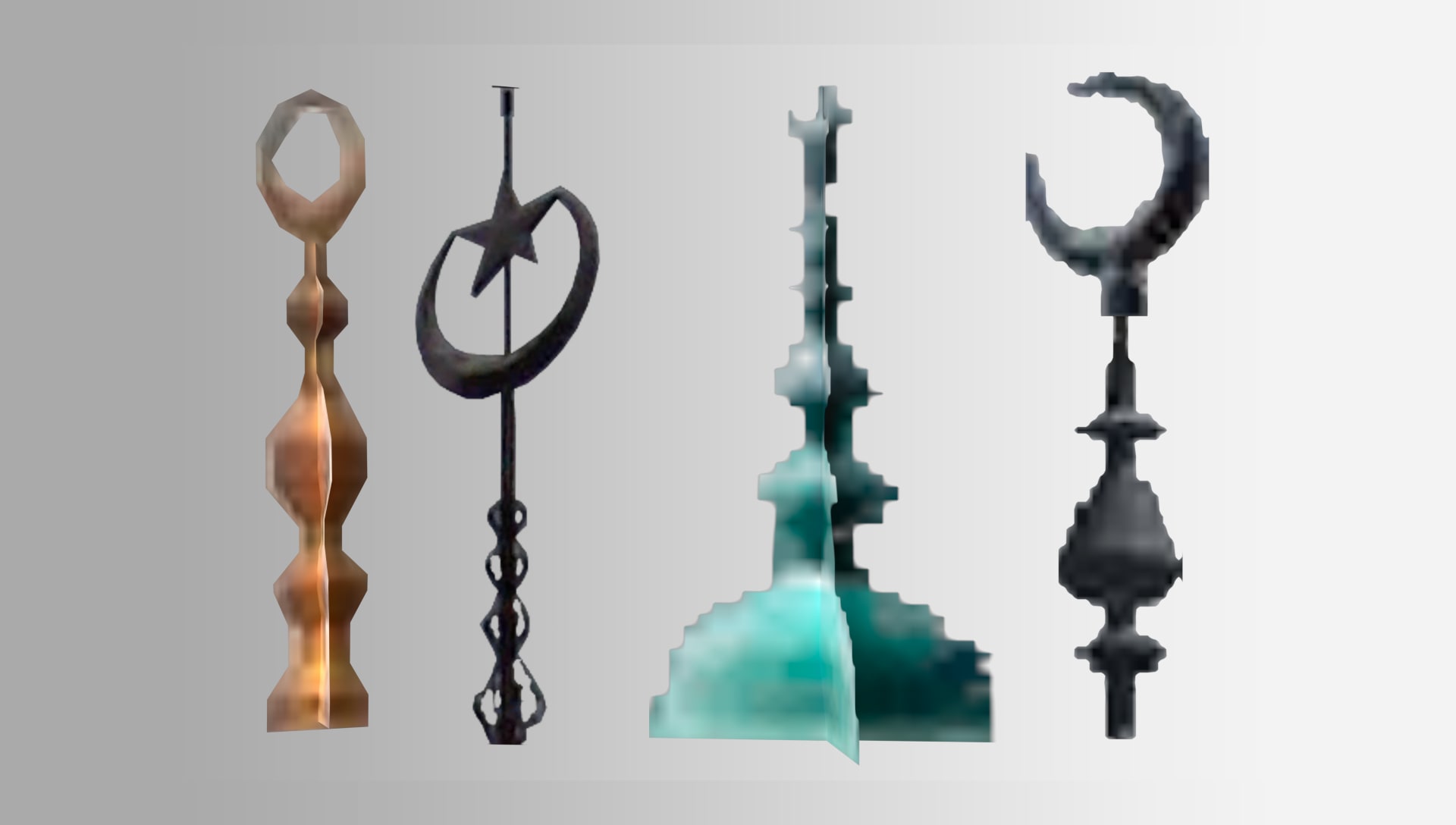
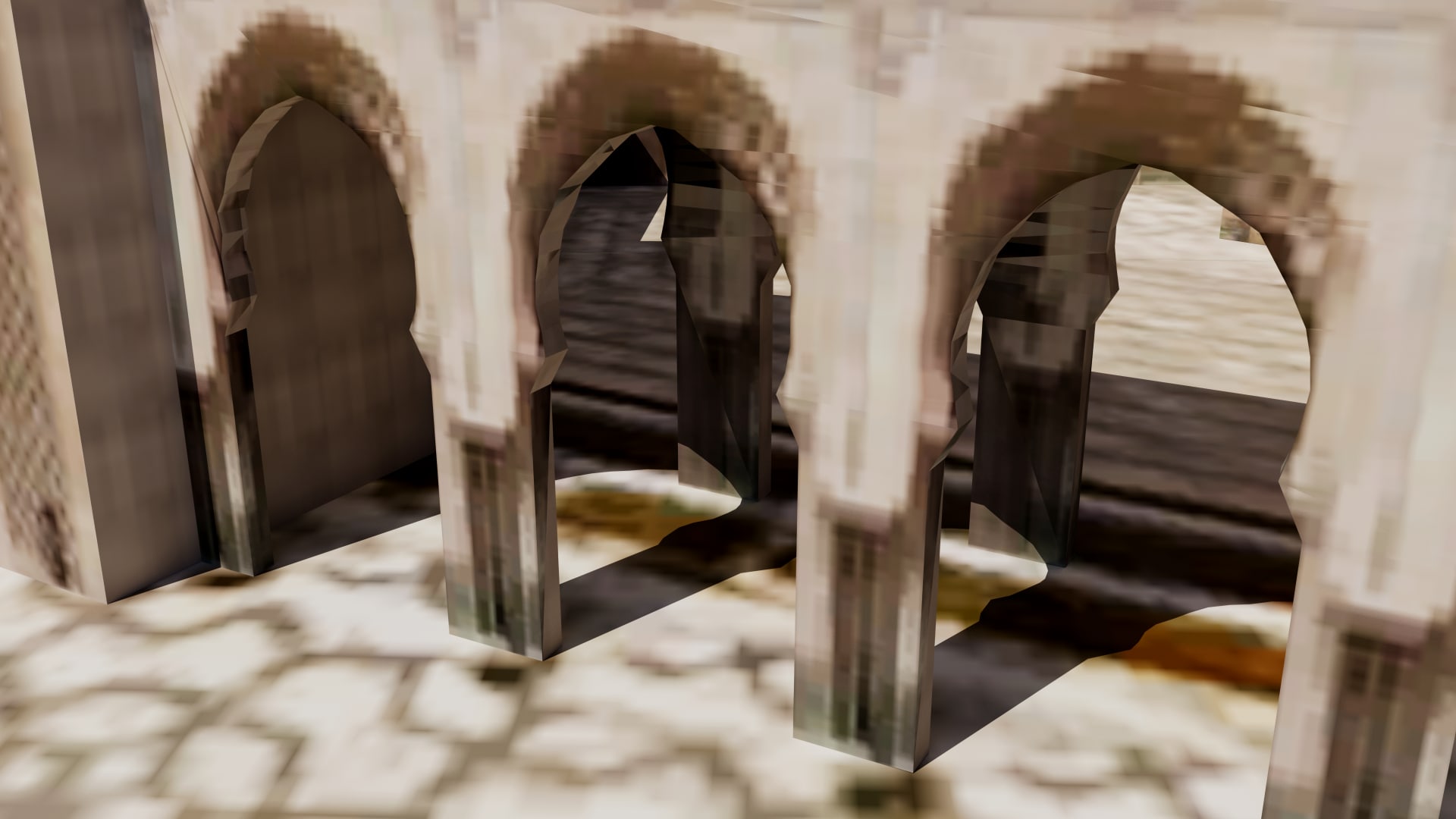
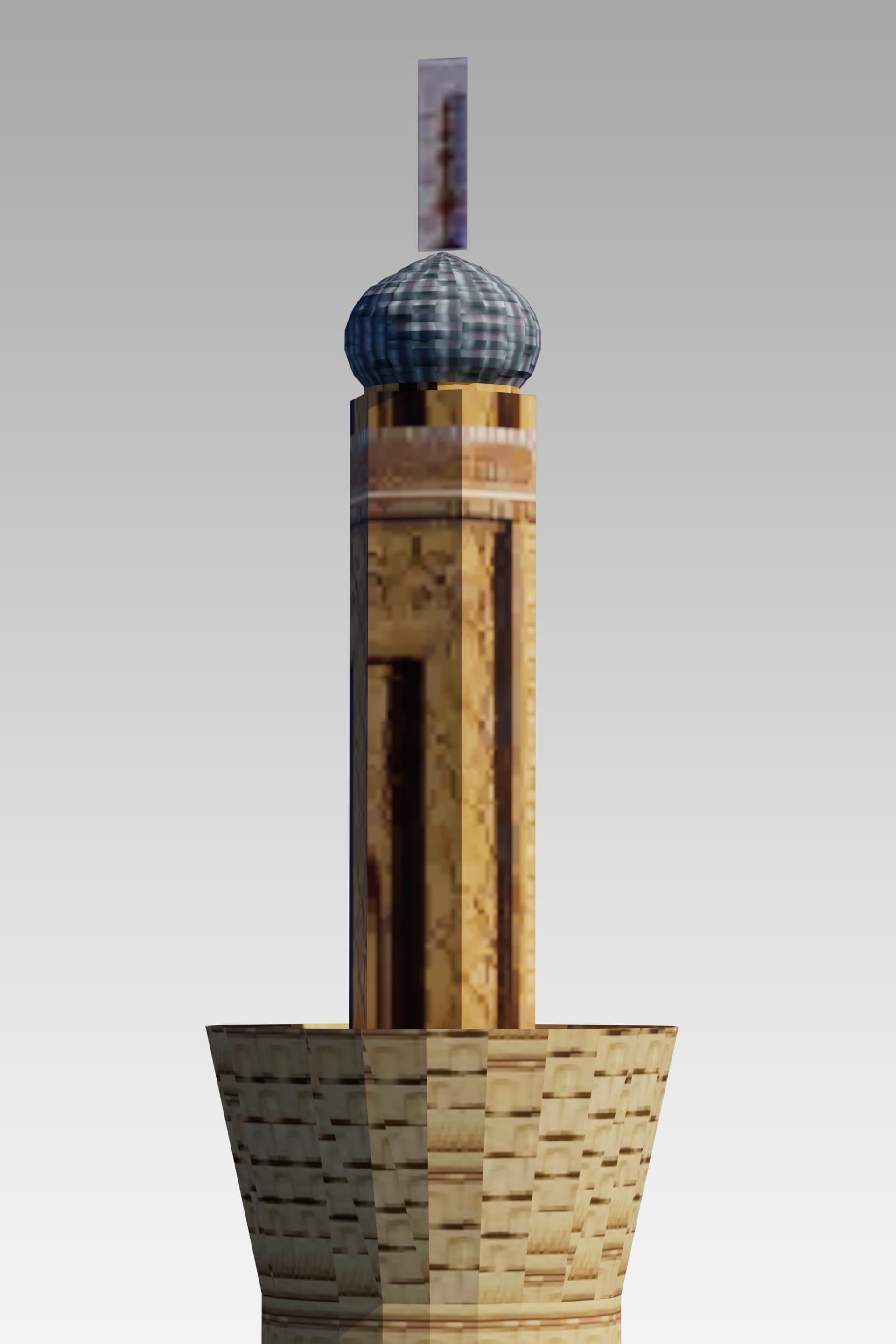
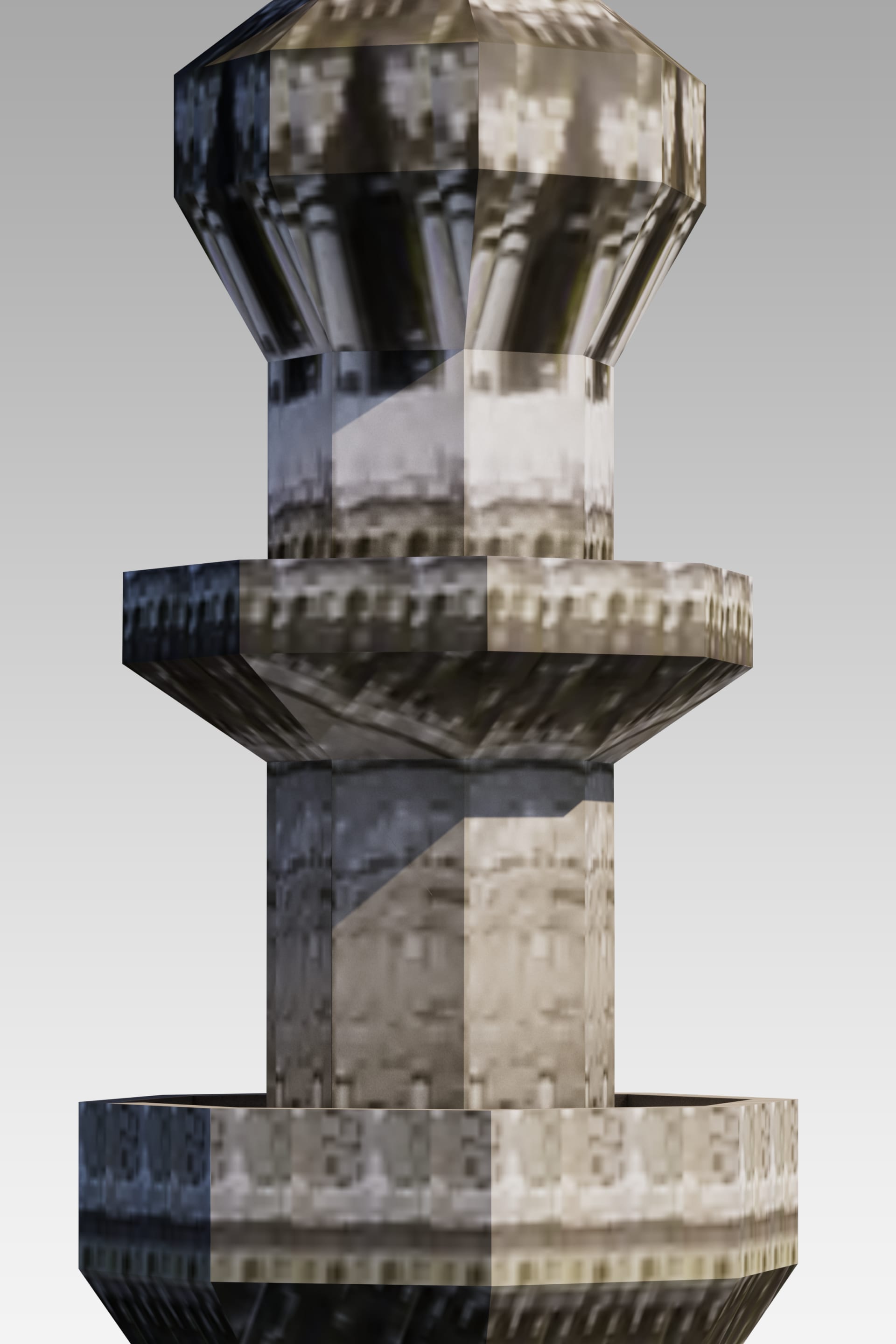
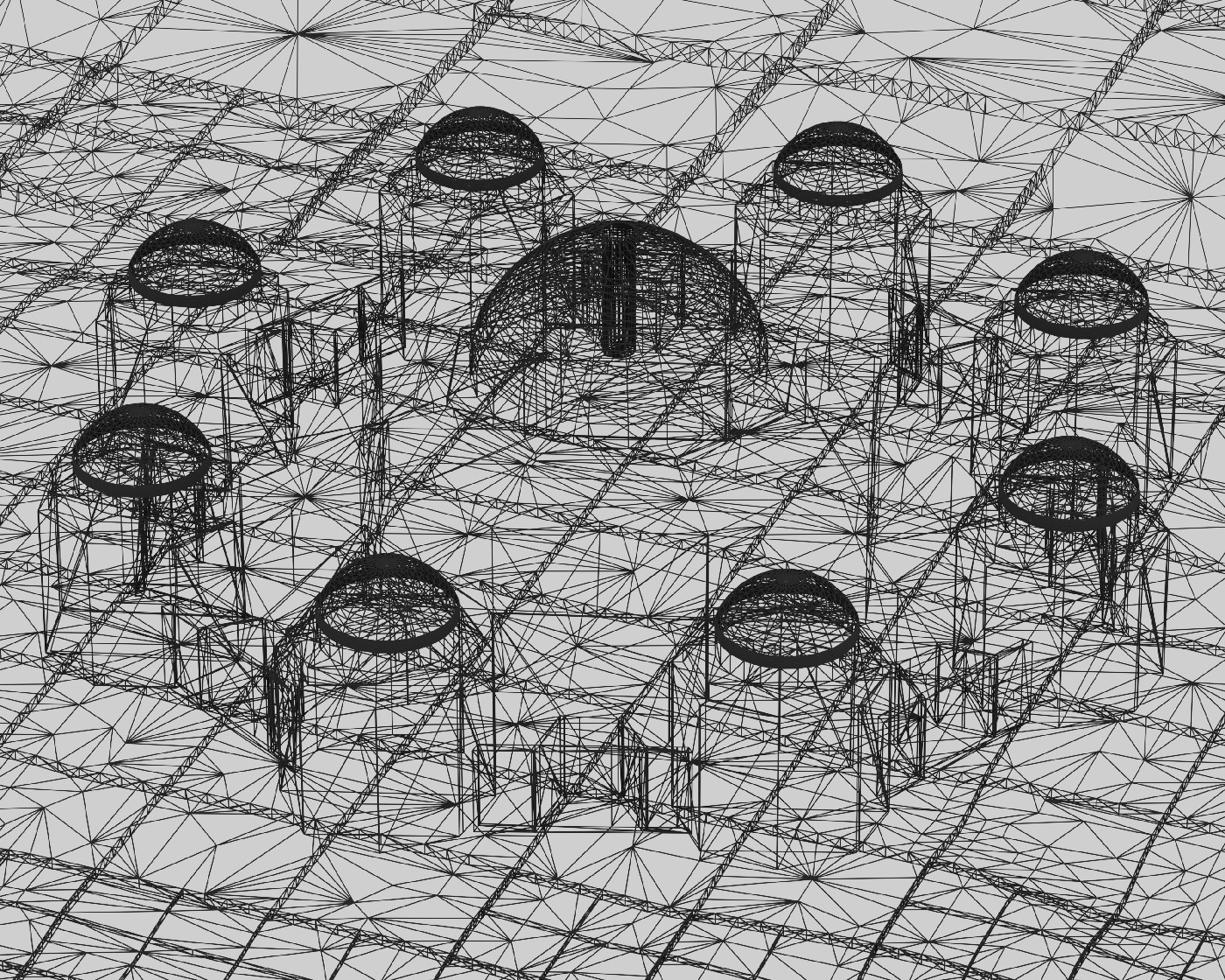
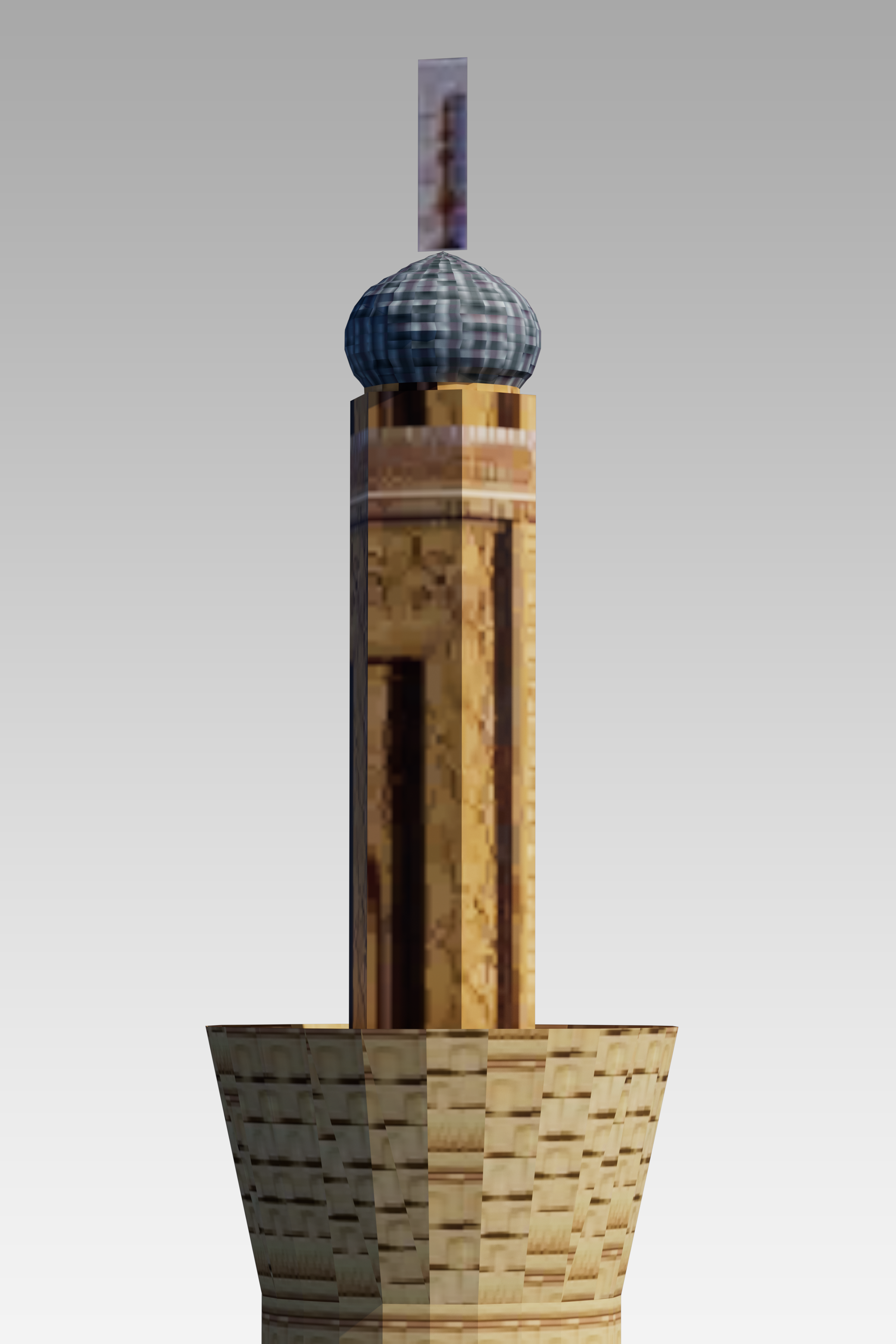
"How to Build a Mosque" explores how mosques - as spiritual, architectural, and cultural spaces - are represented, disseminated, and commodified in digital environments. Drawing on Michel Foucault’s concept of heterotopia and Gilles Deleuze’s notion of deterritorialization, the project traces the transformation of the mosque: from a place of worship rooted in a specific geography to a downloadable file, from a communal landmark to a generic 3D object.
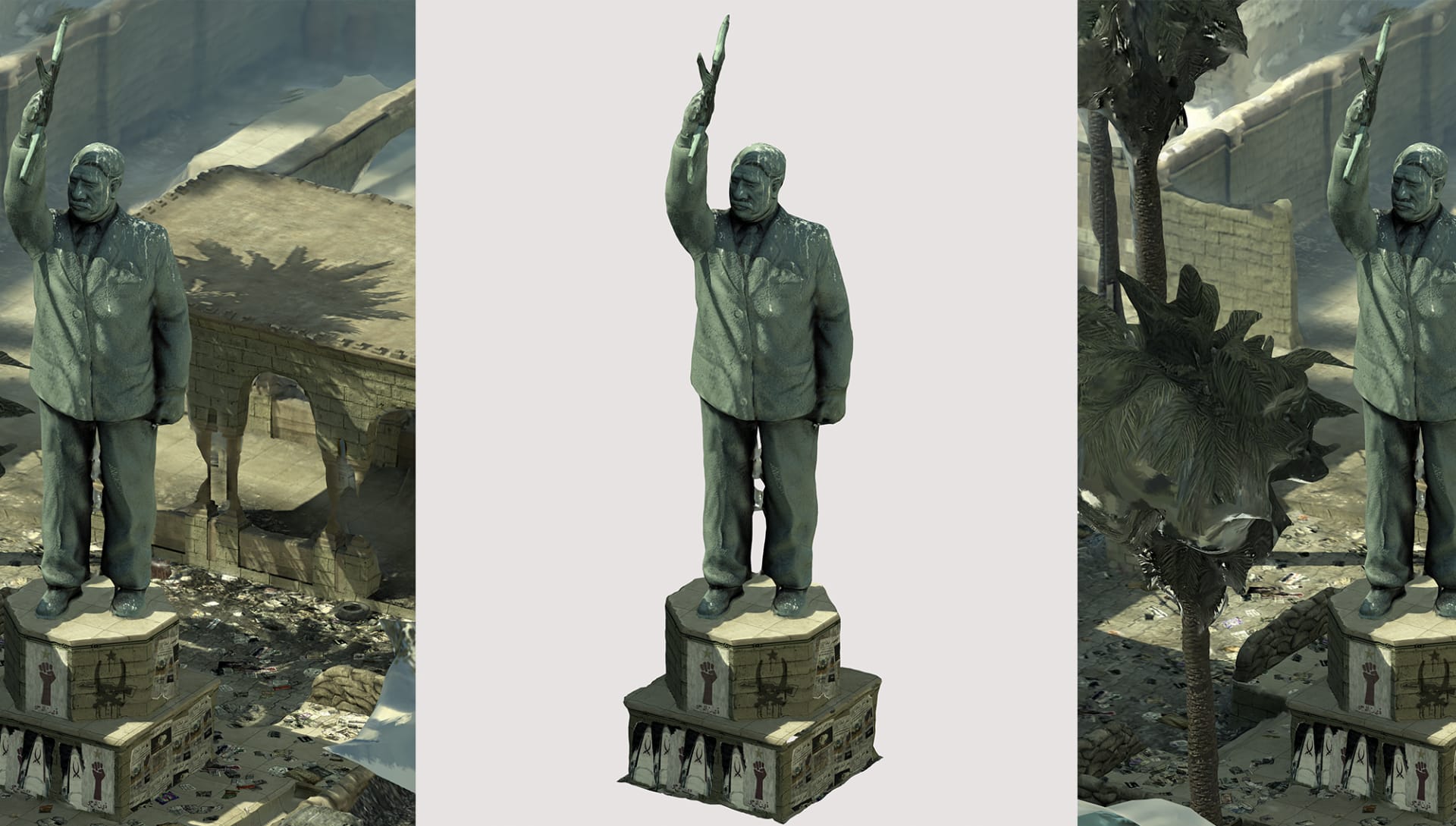
Using screenshots and 3D renderings of models sourced from platforms like Google Earth, Minecraft, Call of Duty, and online asset marketplaces, the project compiles representations of mosques in various styles and for diverse purposes. These models, often accessed through technical hacks or drawn from open archives, are typically created by anonymous contributors, stripped of their original context, and reused in games, simulations, or digital environments.
In this process, a mosque once embedded in ritual and geography becomes a floating,
decontextualized object within a frictionless digital economy, where spiritual form is transformed into exchangeable content.
2026 -
Visual ResearchPhotogrammetry3D RenderingModel Extraction

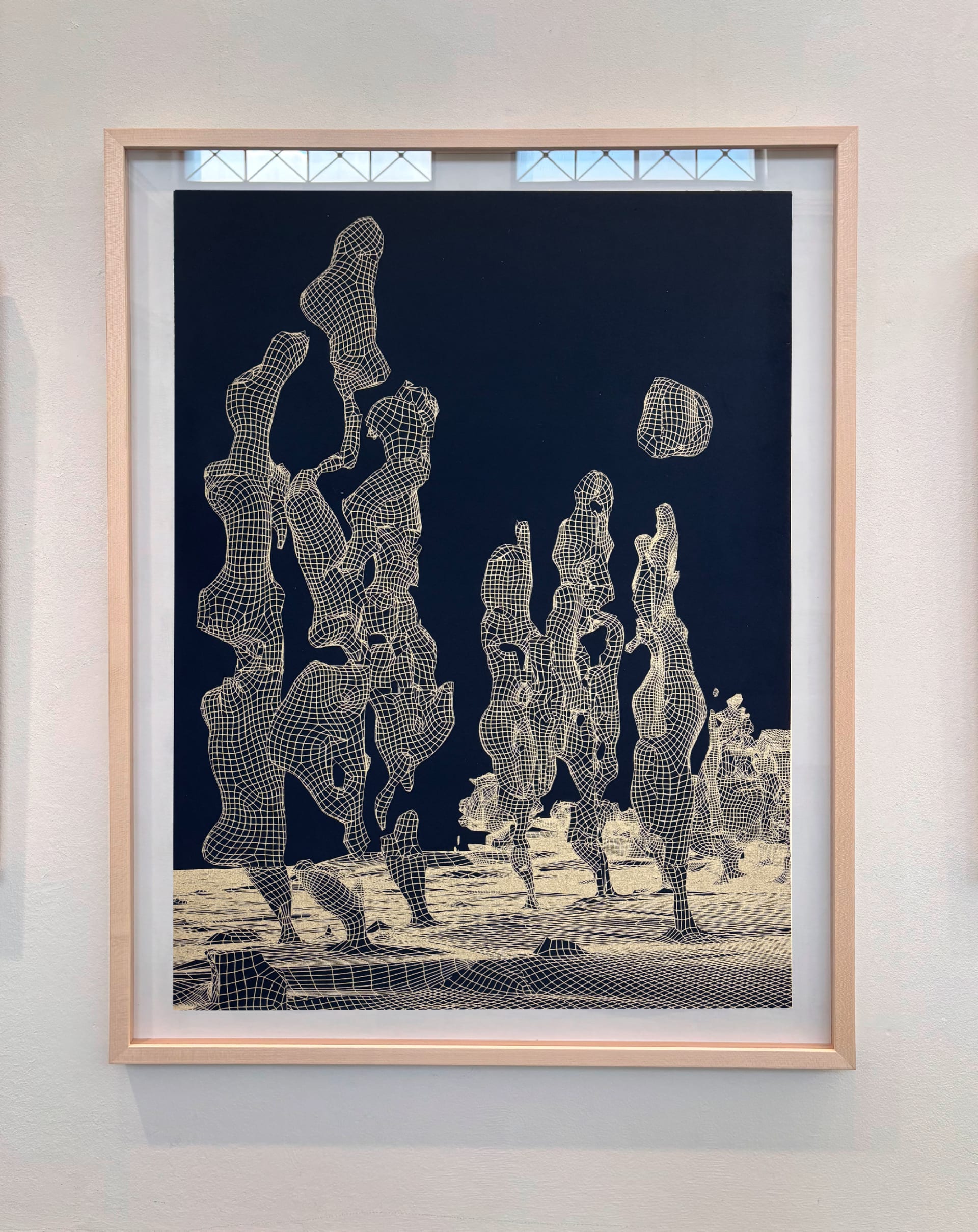
Dry pastel on Arches paper. Info coming soon
2025 -
Visual ResearchEngravingModel Extraction
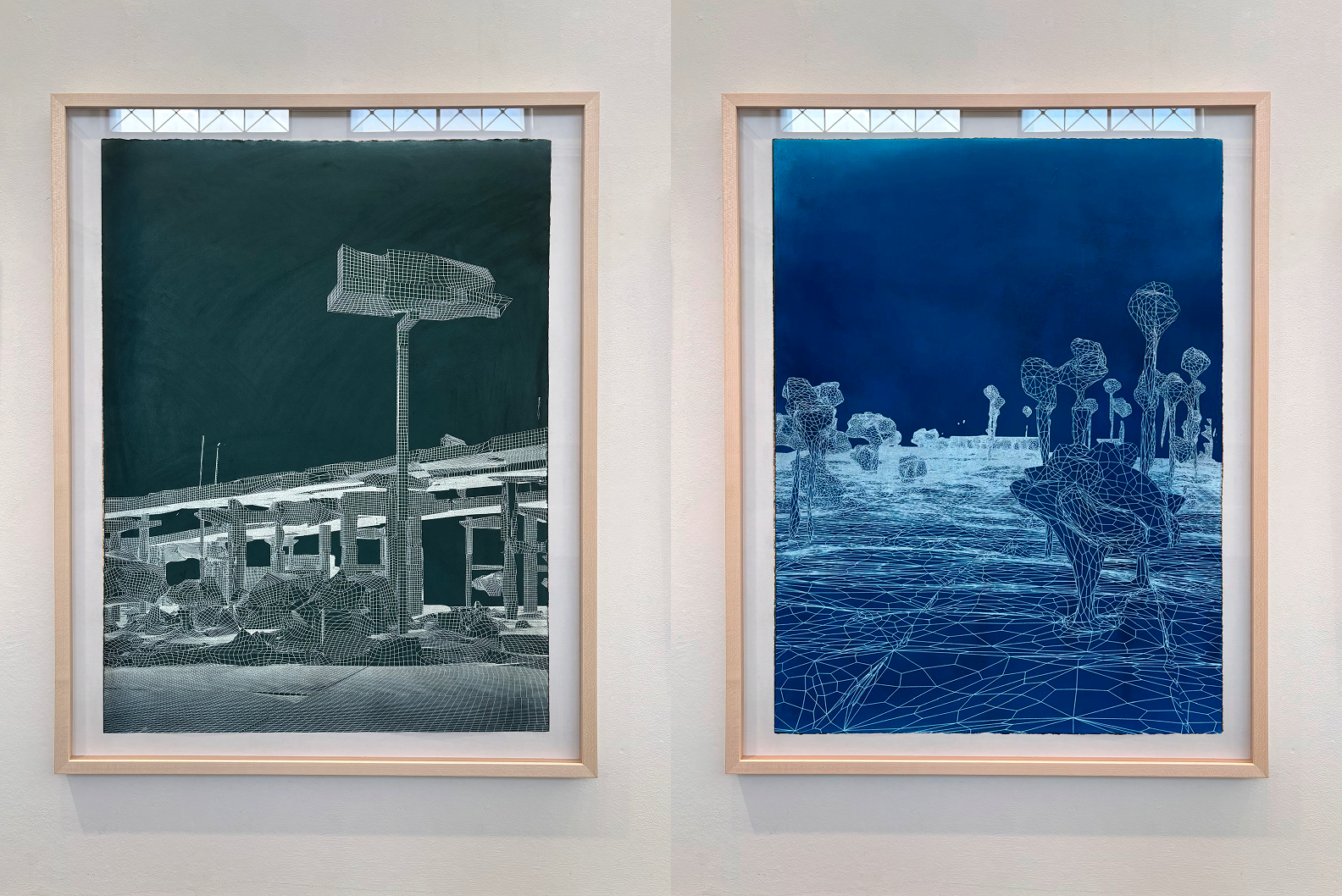
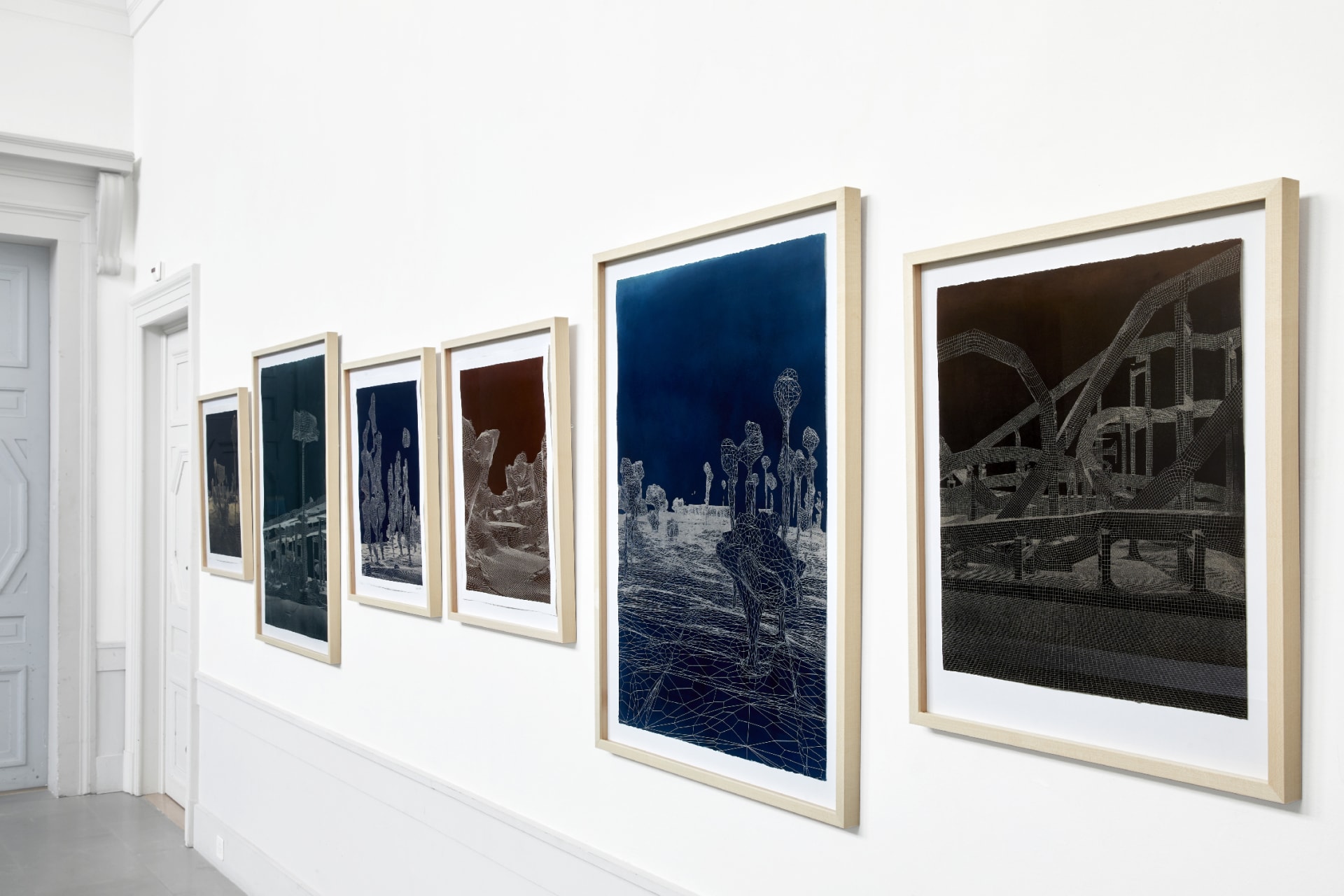
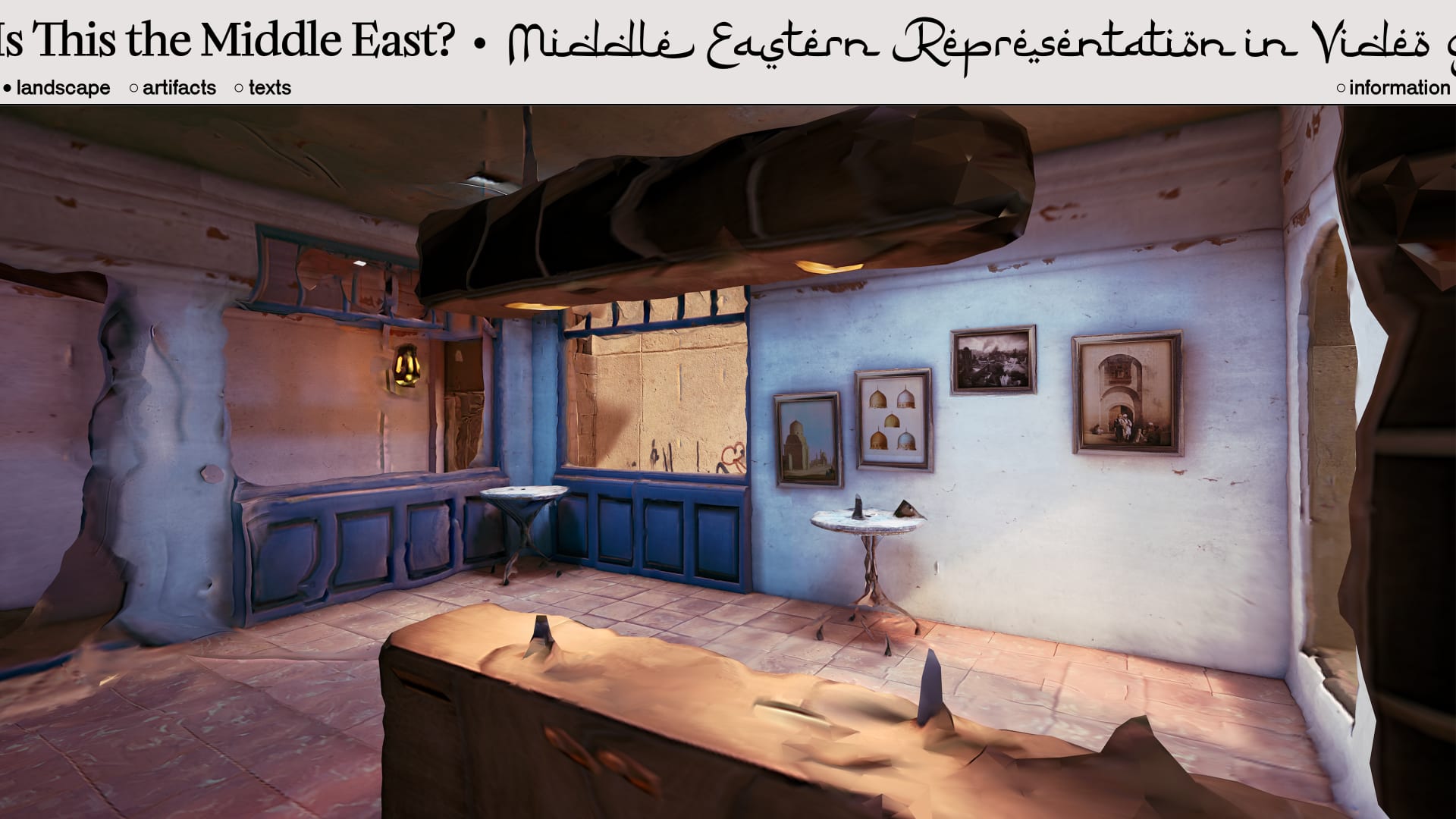
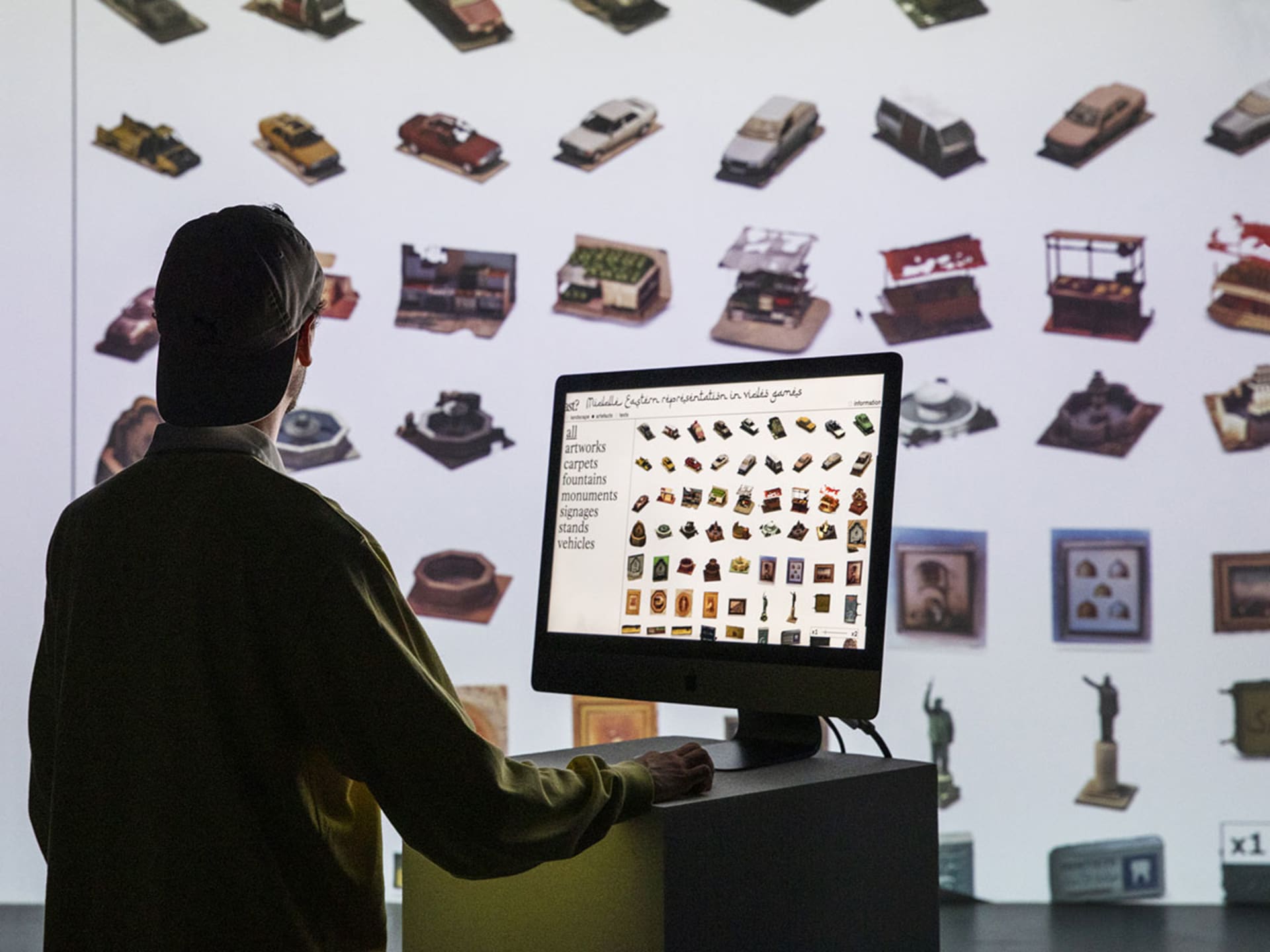
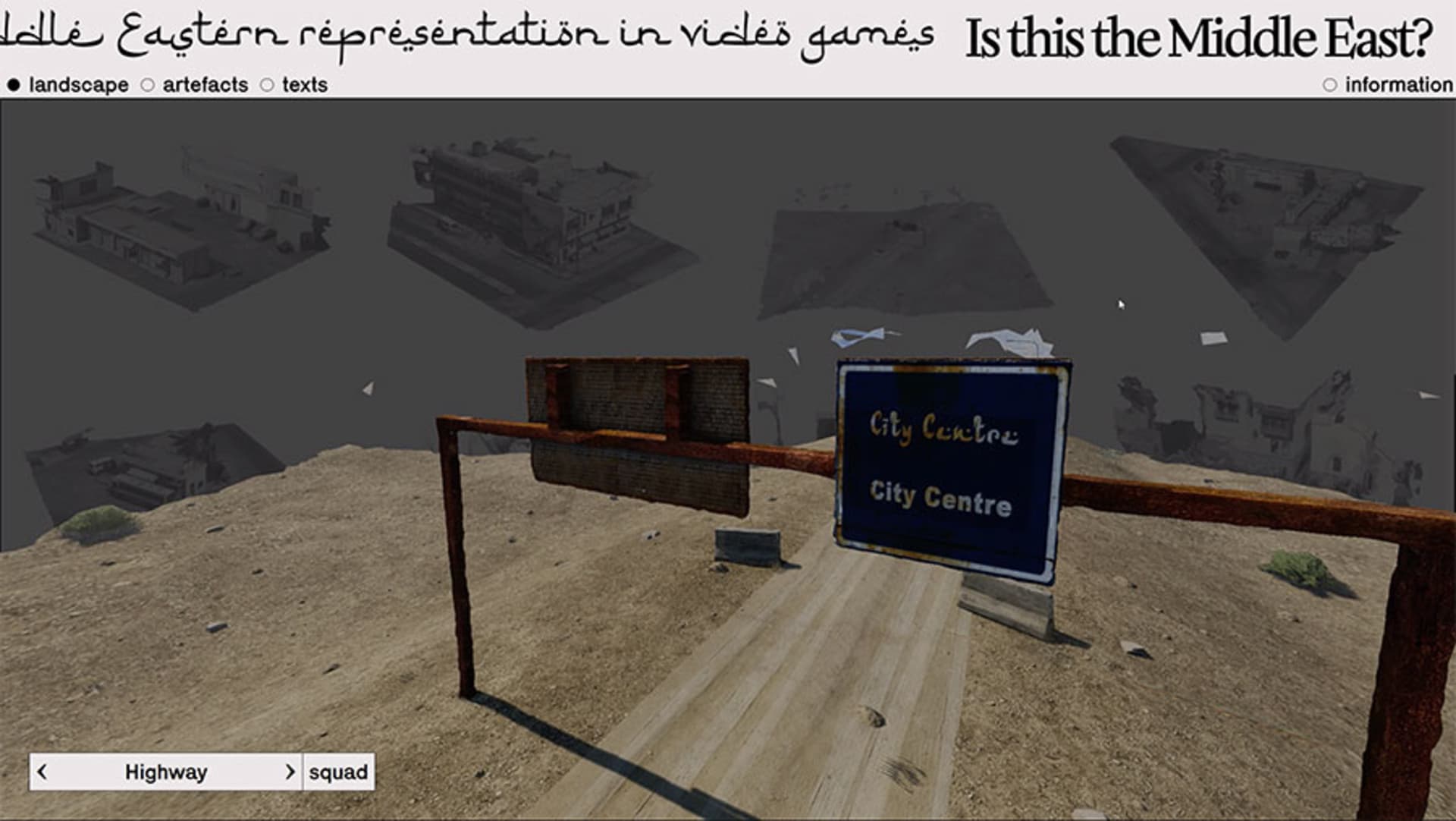
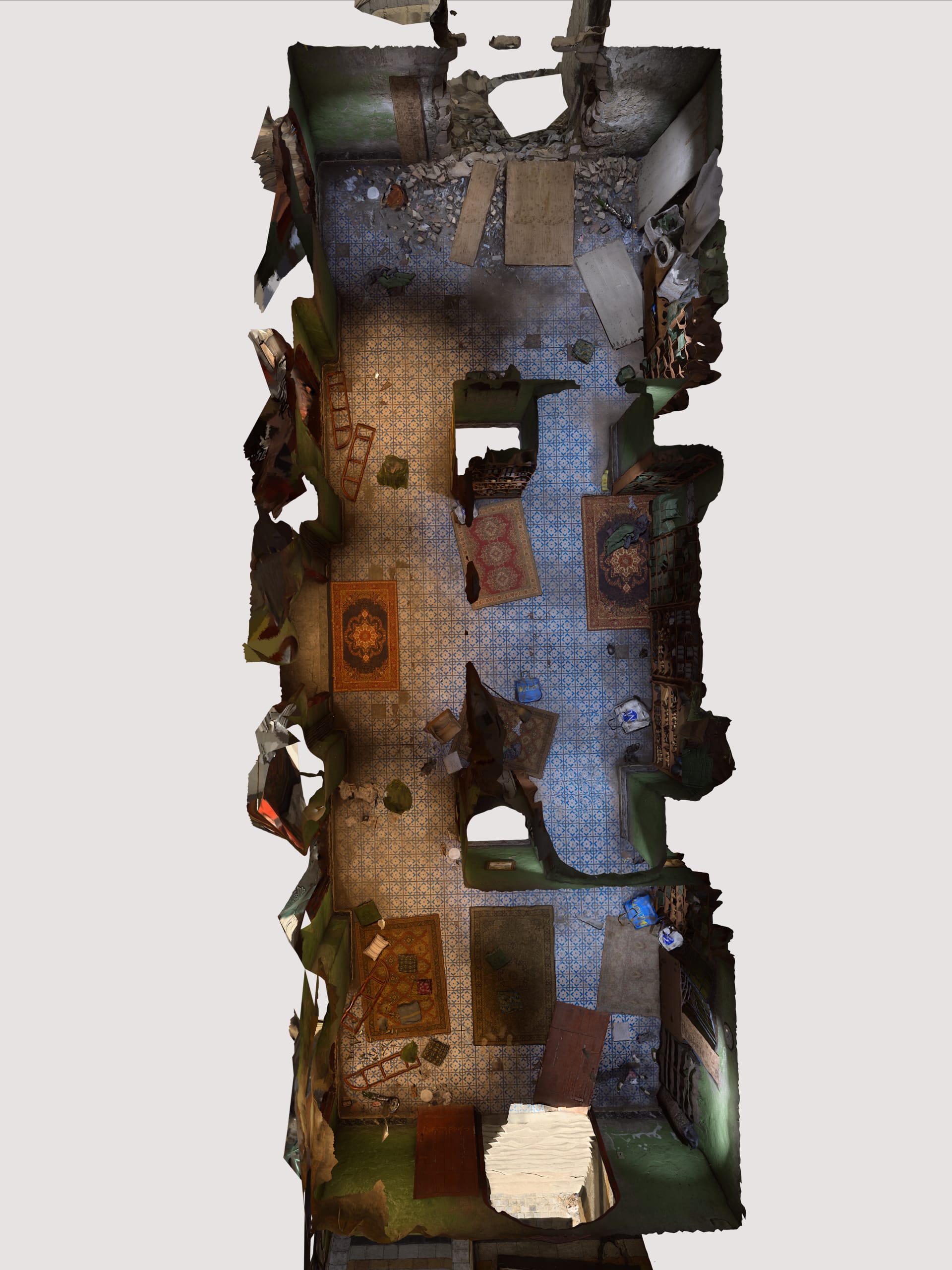
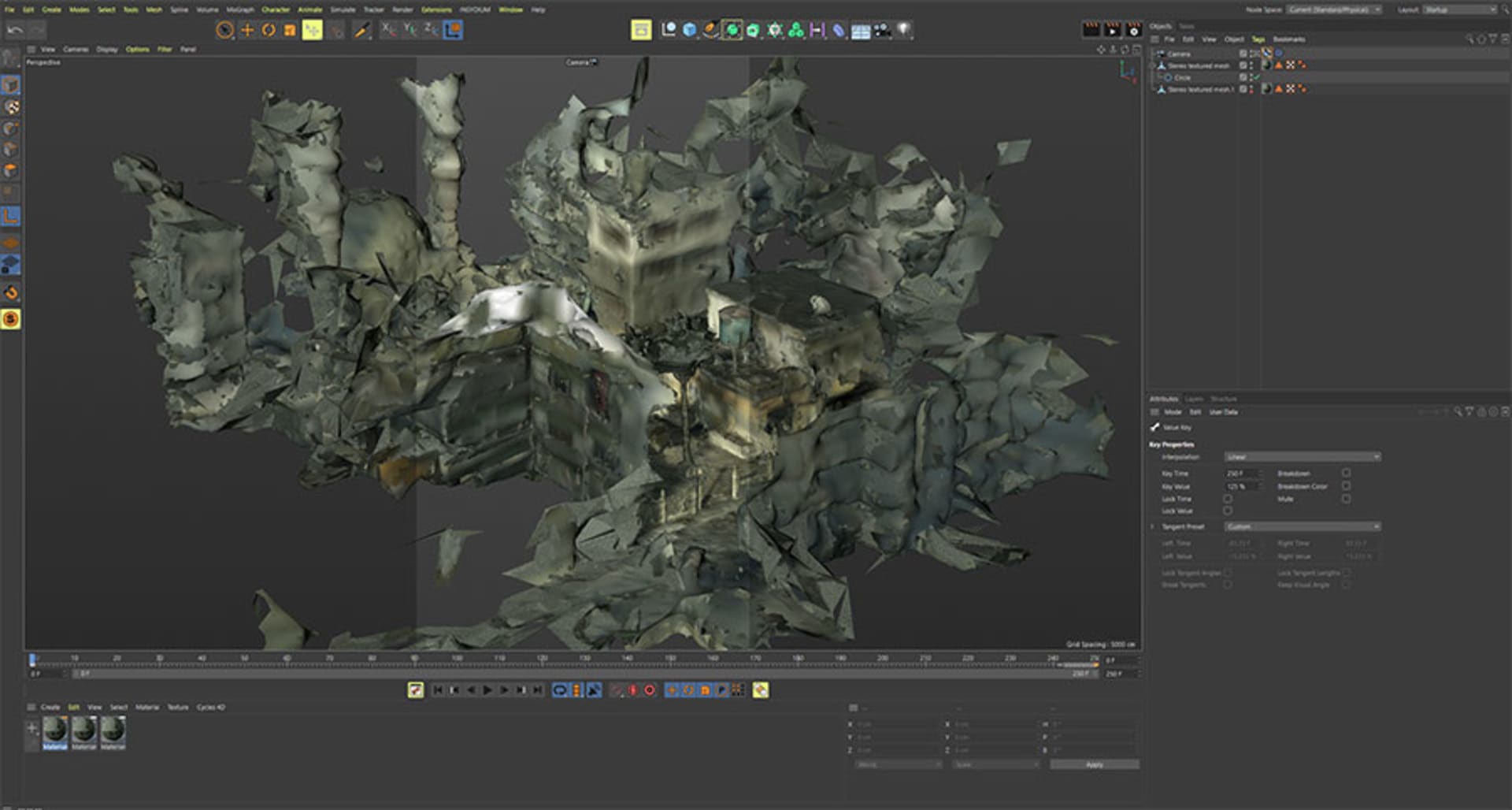
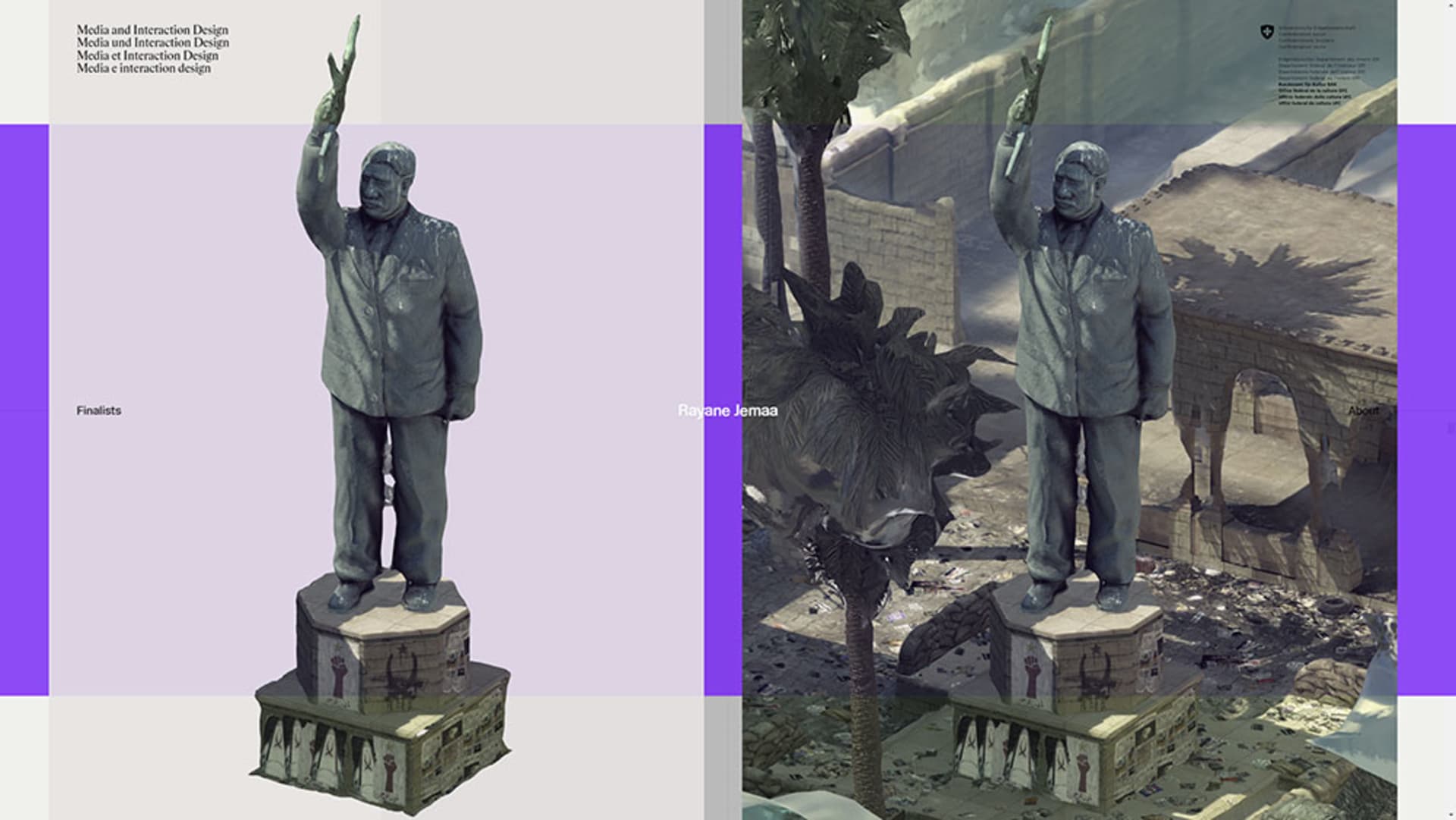
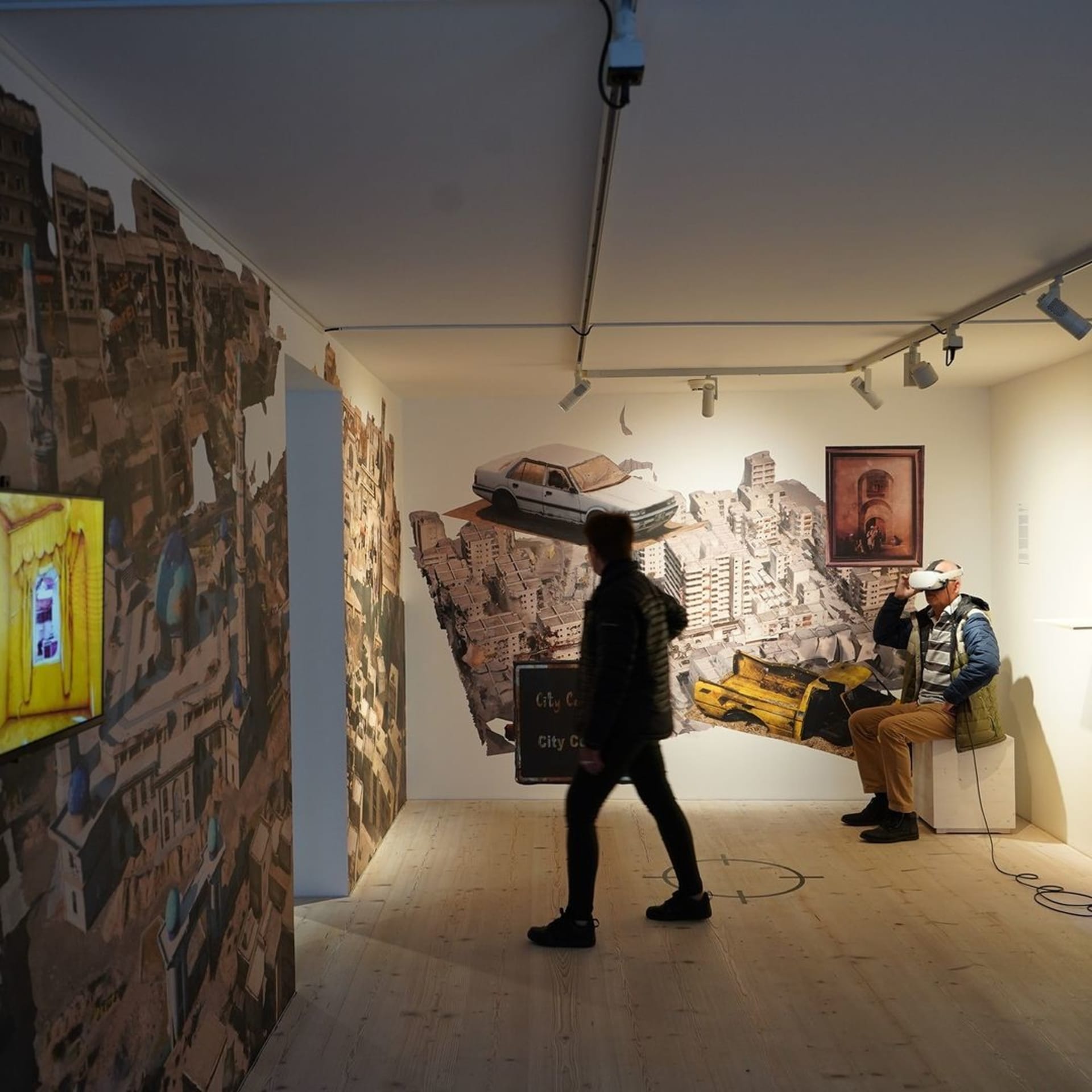
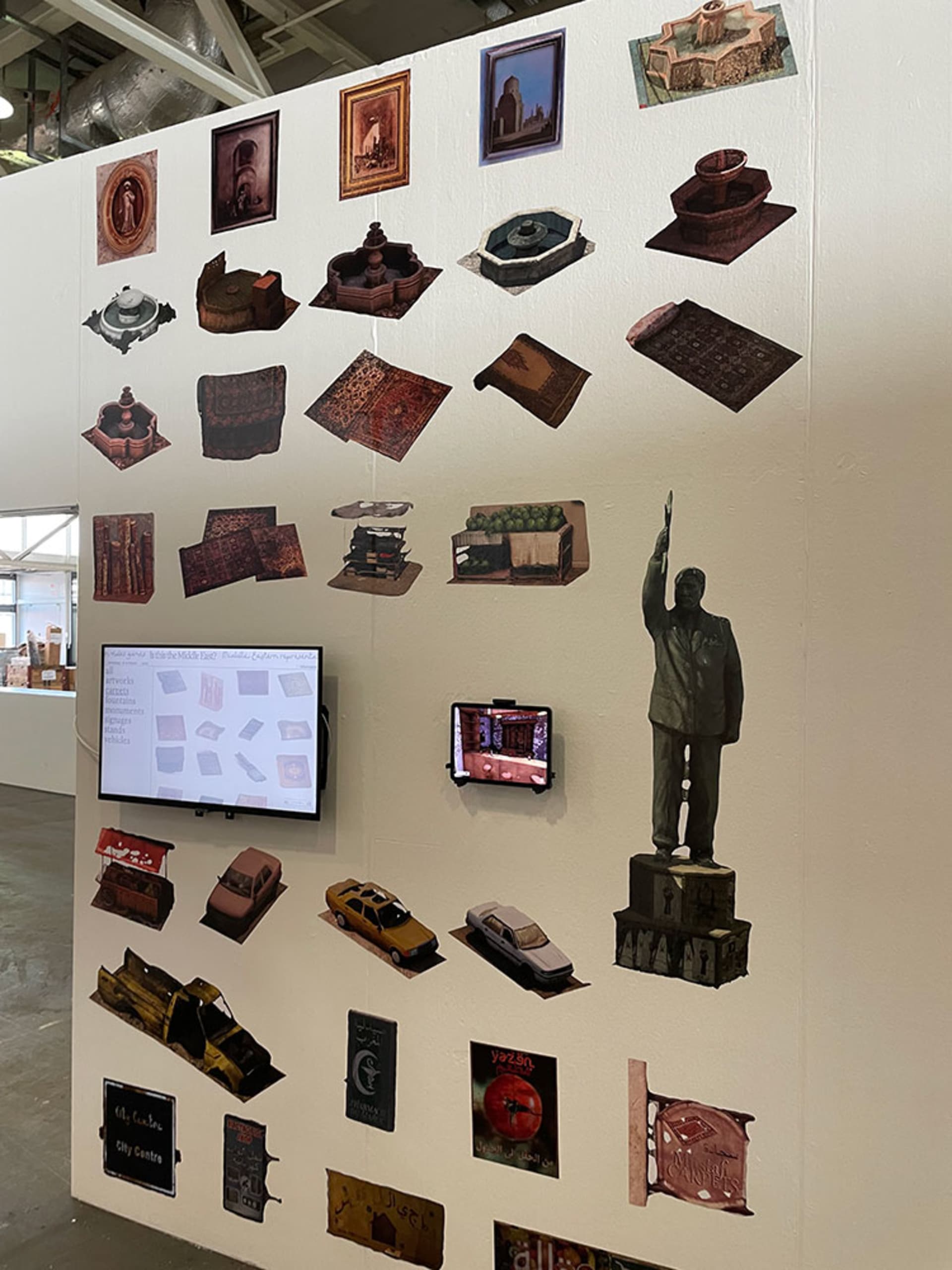
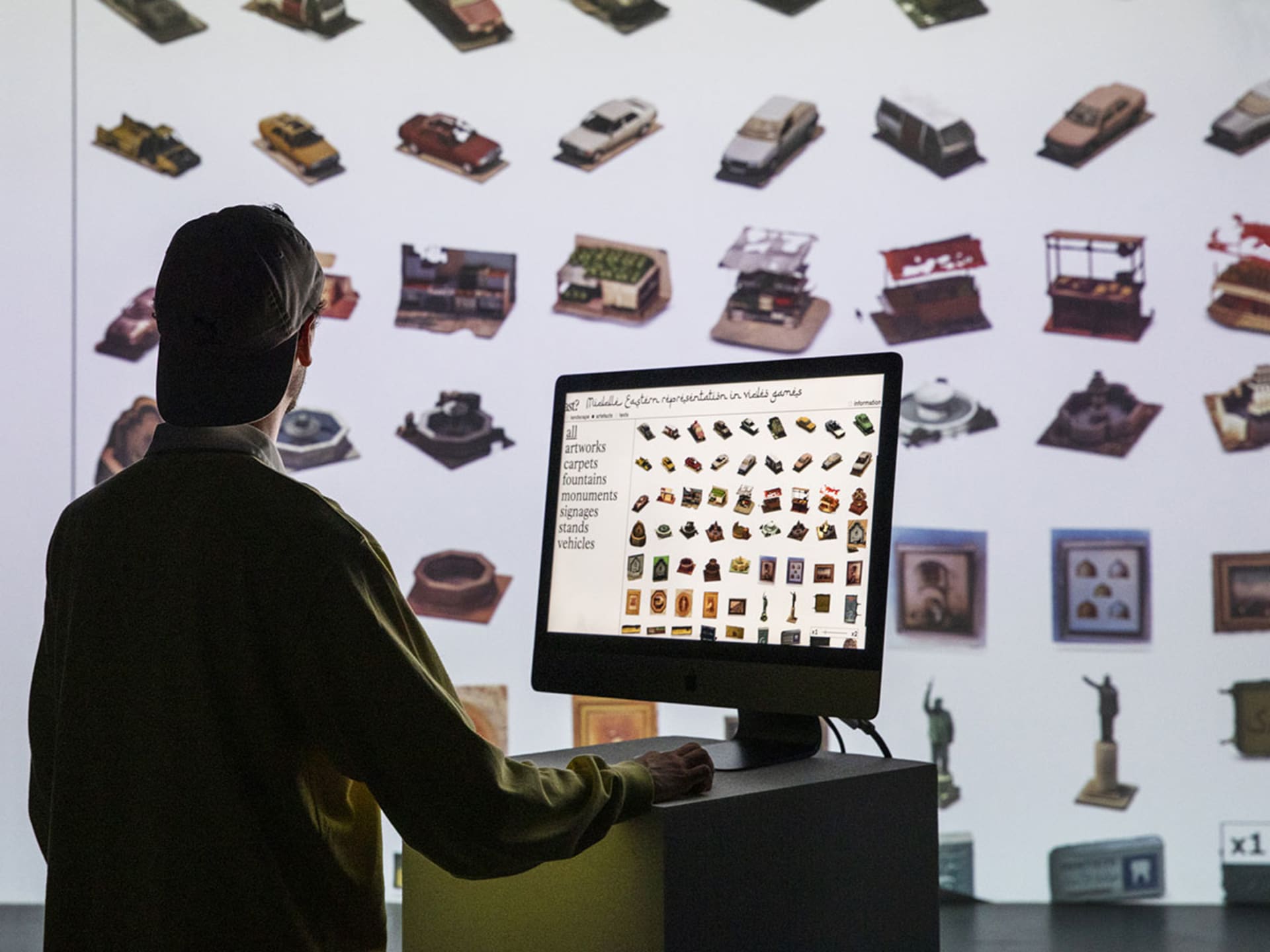
Is This the Middle East? is a project investigating representation of the Middle East and North Africa (MENA) in a selection of video games. I am interested in the patterns, repetitive artefacts, locations and texts in games that claim to be set in the MENA region. These objects become archetypes. Are these photo-realistic environments also realistic in the scenes they depict or do they become another backdrop for war-related games? Using photogrammetry to reconstruct these environments, I address the implications of seeing an abundance of often over-simplified images of the Middle East, especially in a world where video games are becoming not only a global phenomenon, but also a means to encounter other cultures.
The project was awarded the Pierre Keller prize, “A prize awarded for a particularly committed diploma project” by Mr. Alexis Georgacopoulos, Director of ECAL. While the project took many forms, one way in which it was presented was in the form of a website and installation. The website allowed me to gather all the reconstructed models, and also served as a way for users to interact with them in a different context to the game itself. Users can navigate through scanned landscapes, or through a library of artefacts, to put into perspective the repetitive elements found through games set in the MENA region. It allows viewers to understand the limited visual and written language used in these games
2022-2023
InstallationVisual ResearchPhotogrammetry3D Rendering
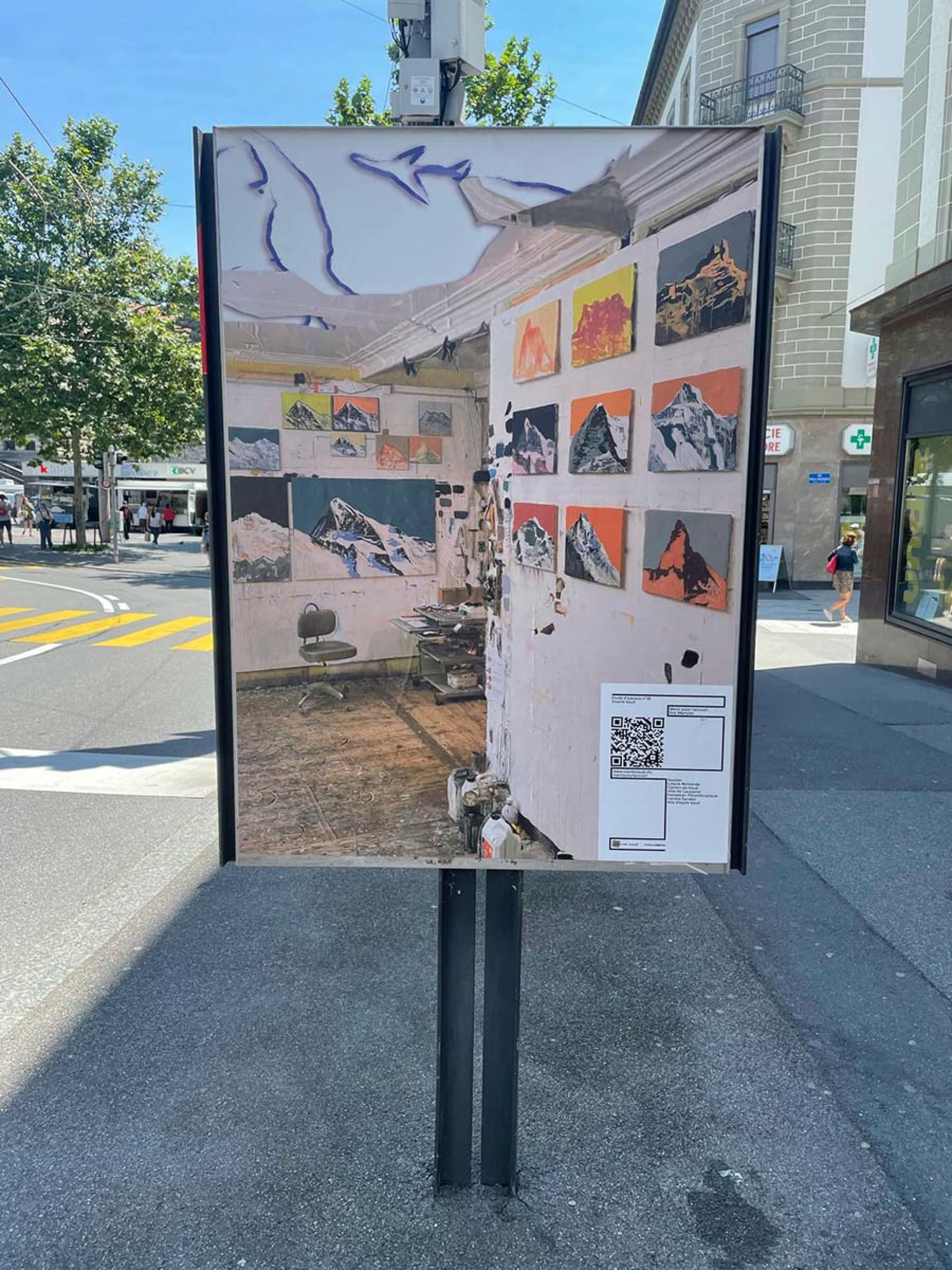
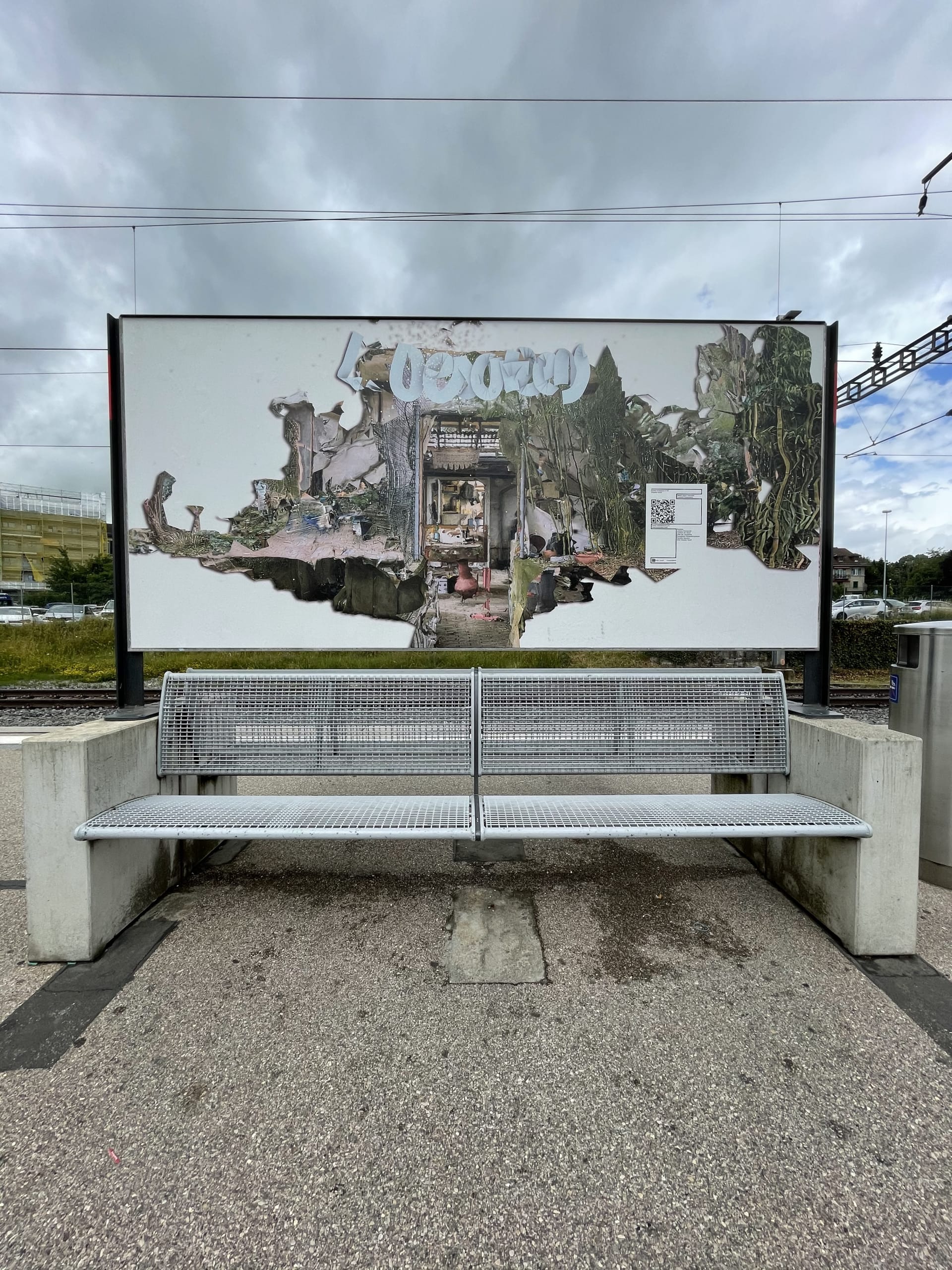
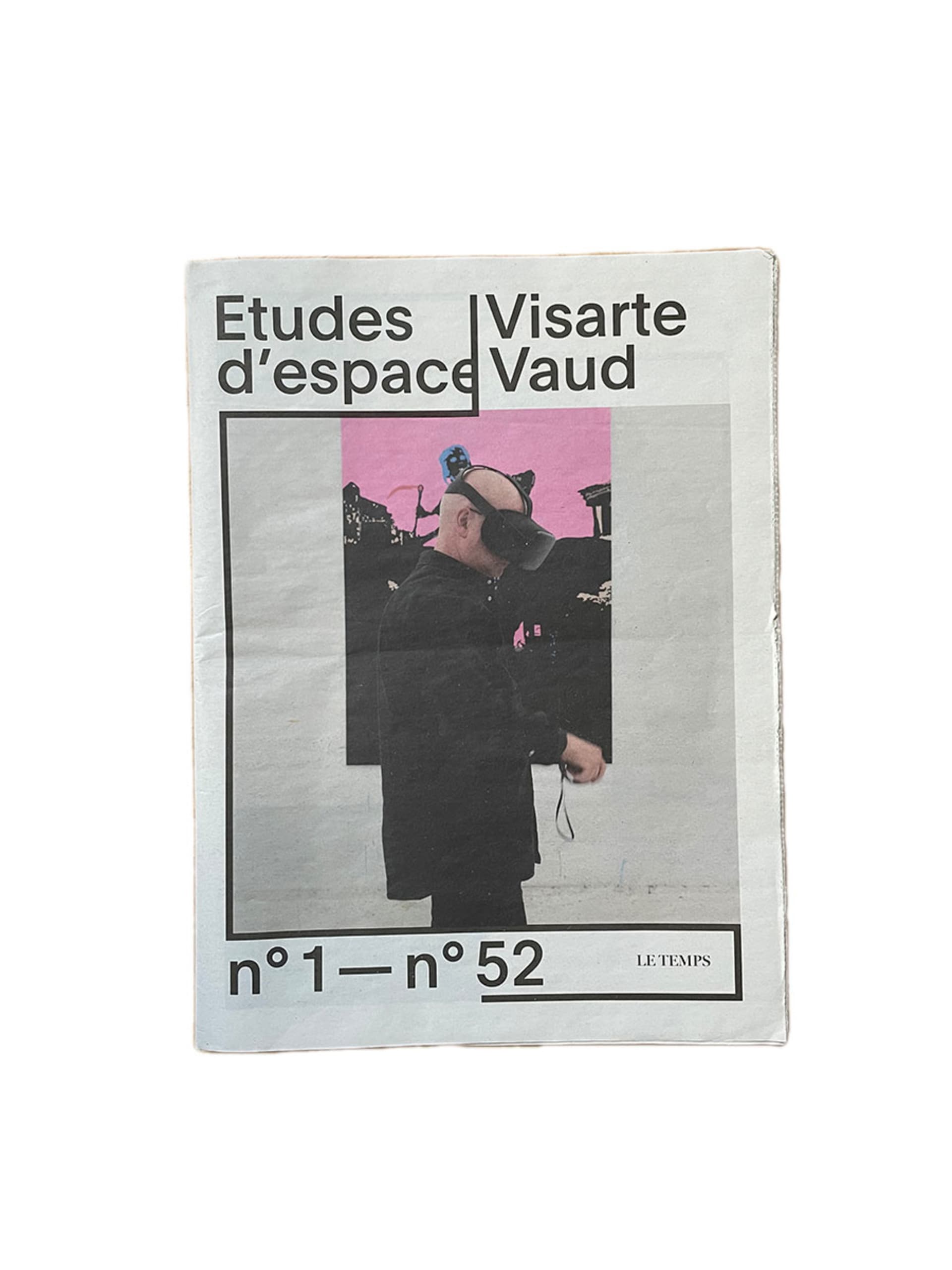
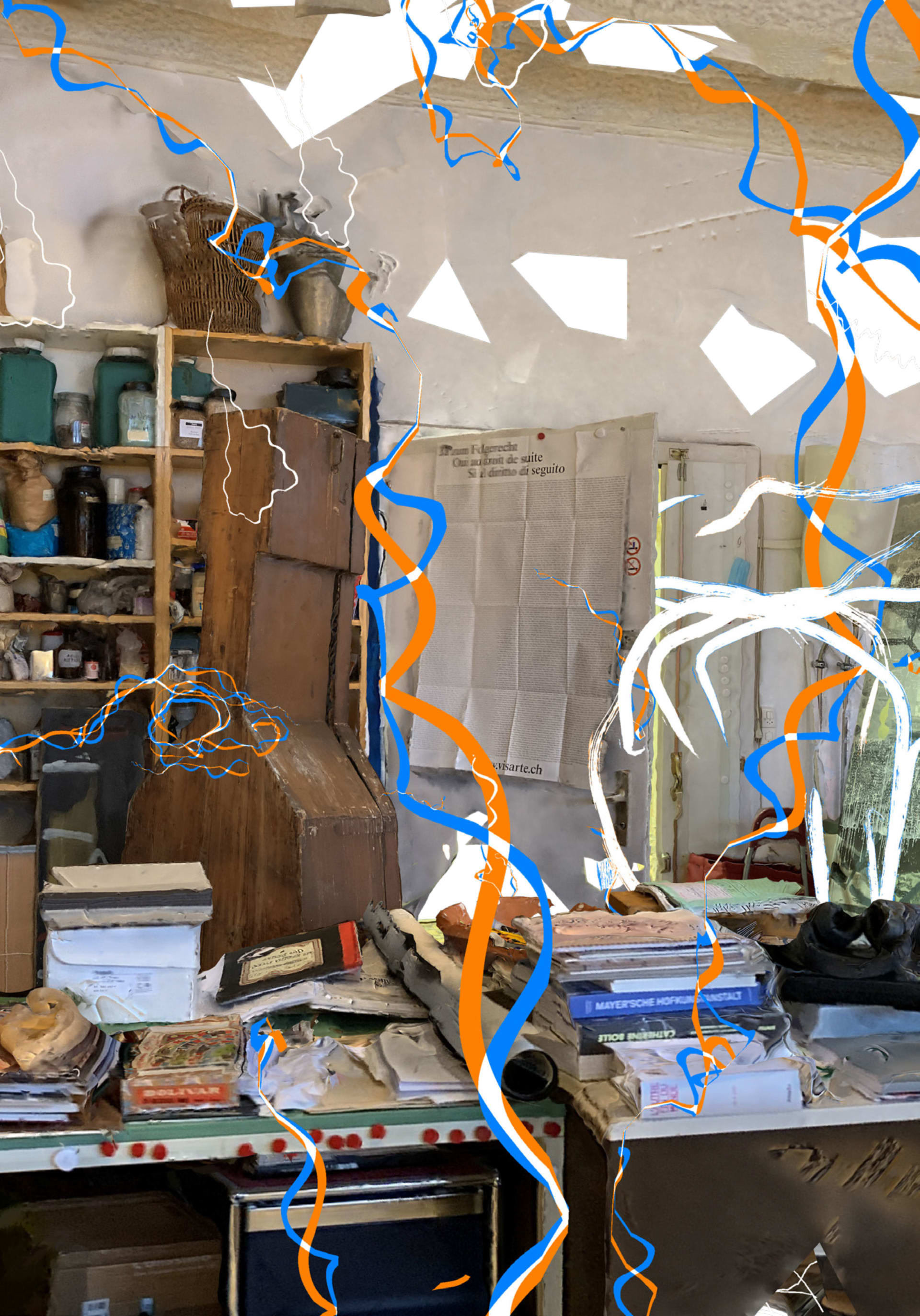
Commissioned by Visarte Vaud, Etudes d’espace was a 2-year-long project allowing artists from various domains to express themselves mainly through their workspace. In collaboration with Paul Fritz and Justine Knuchel, 52 short videos were created using photogrammetry to recreate the artists’ studios. A VR headset was also used to allow each artist to “draw” in 3D space, thus putting each of the 52 artists on the same technical level. The project led to an exhibition at the Musée cantonal des Beaux-Arts (MCBA) in Lausanne, followed by posters exposed in public spaces throughout western Switzerland, and a booklet featured in the magazine Le Temps on the 24th of June 2021.
2021
Creative DirectionPhotogrammetryArchiving3D RenderingMoving Image
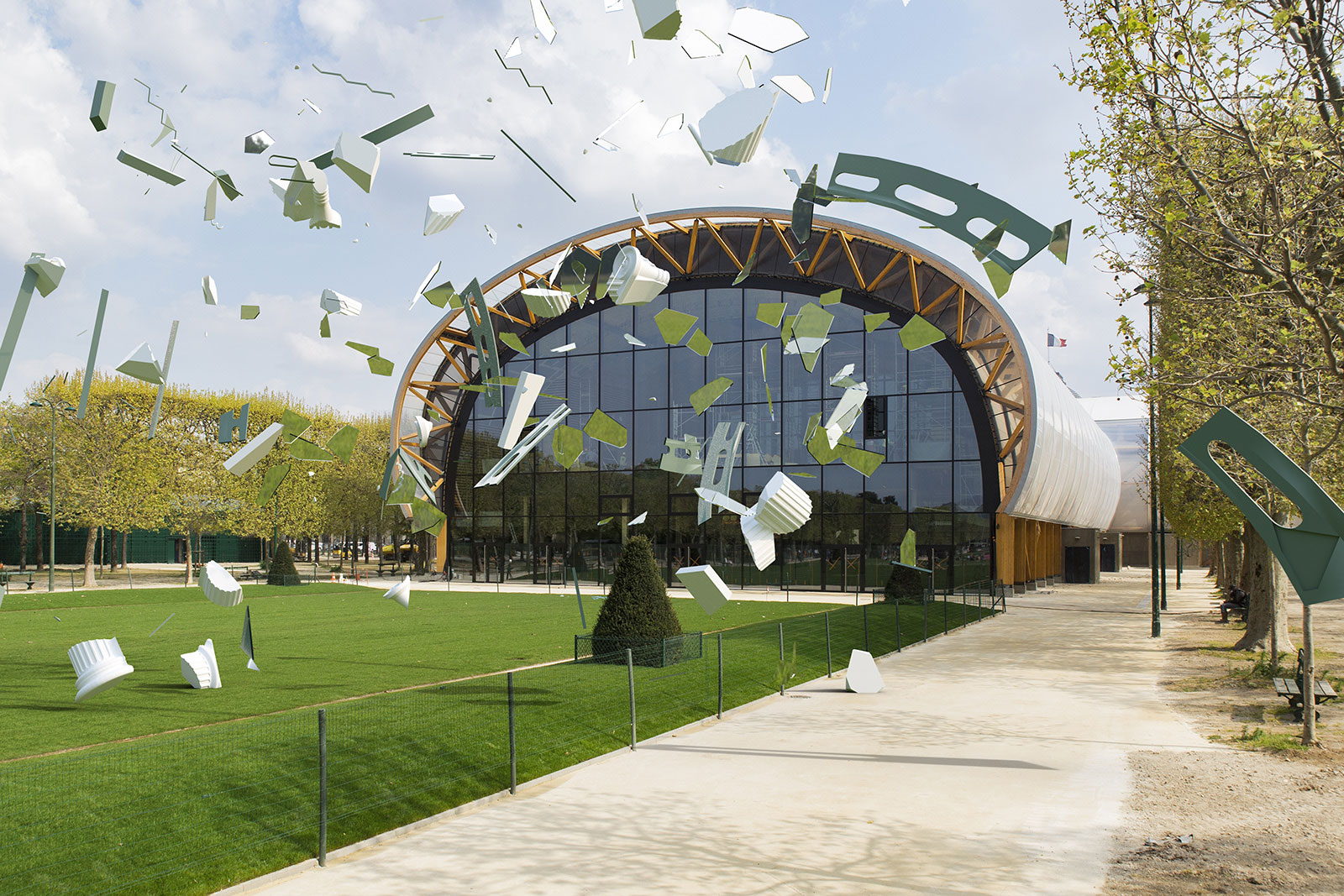
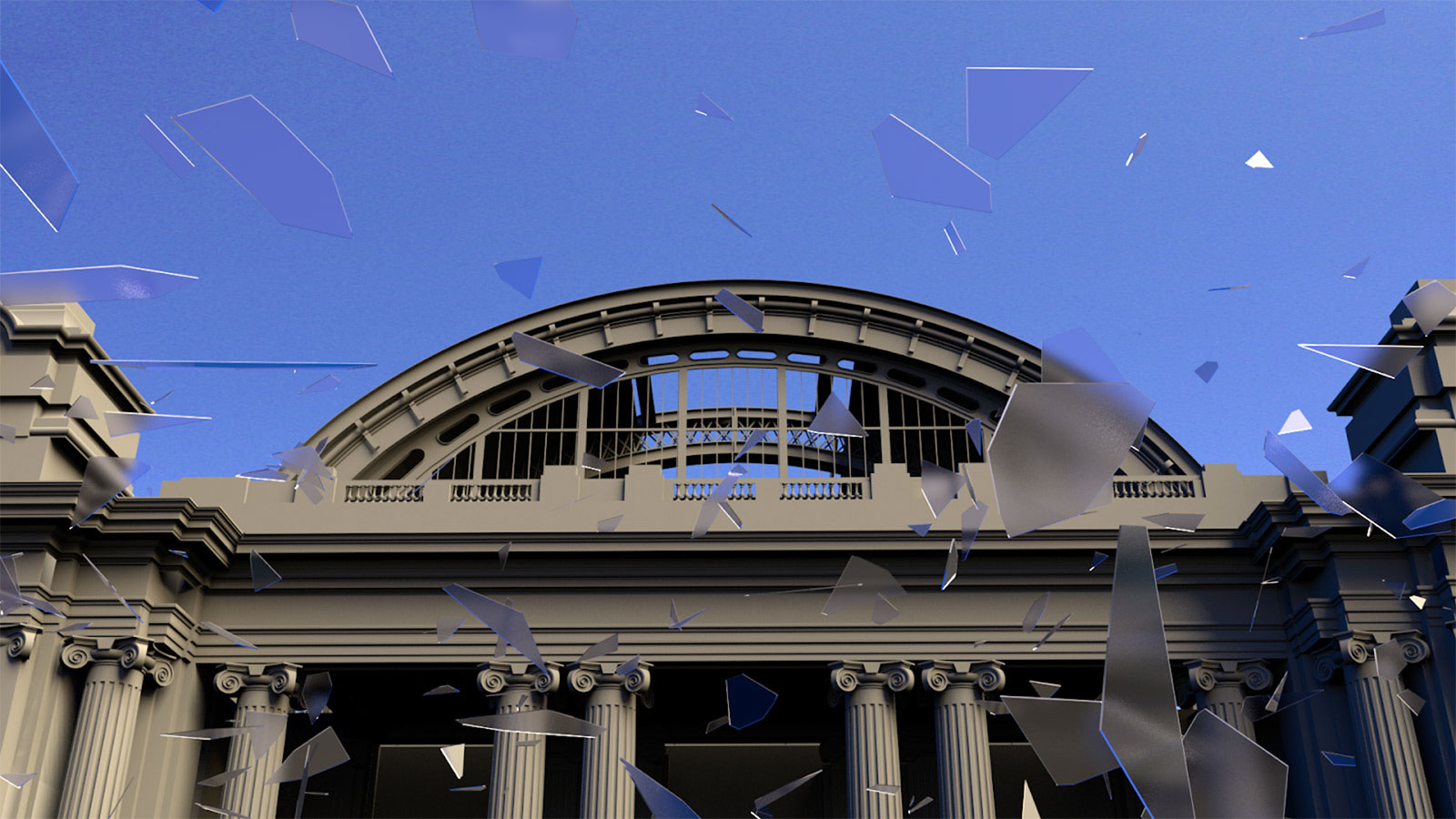
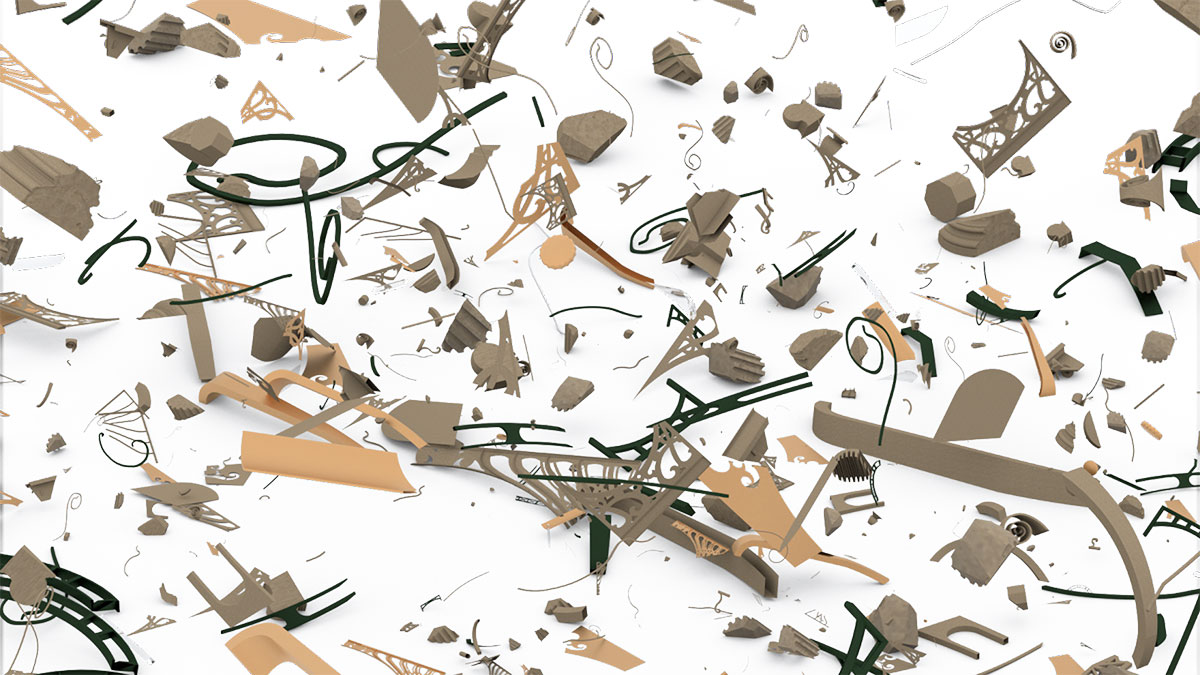
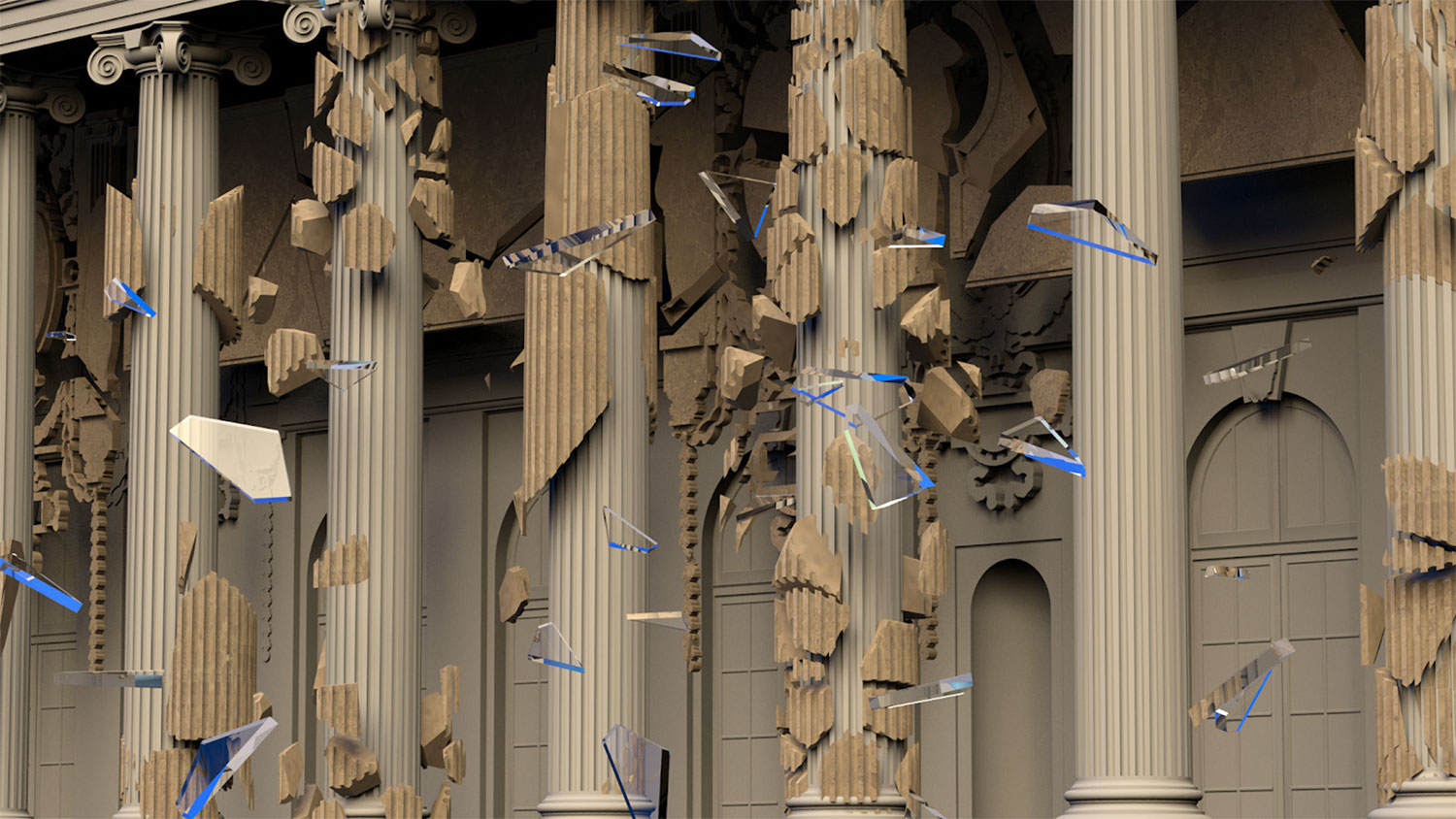
By enhancing the perception of the place in real time thanks to the superimposition of visual concepts with eclectic references, the Grand Palais Éphémère is staged in a variety of imaginary futuristic, surrealist and above all playful worlds: futuristic. It becomes a photographic subject with multiple expressions and invites the public to engage via Instagram in an experience that questions the relationship between real and virtual images. In collaboration with Pierry Jaquillard, we reconstructed elements from the building in homage to the Grand Palais's architecture. Dynamic, suspended pieces whirl around the viewer, offering a surrealistic perspective of the space.
2021
CGIAR